ODE TO THE PUBLIC POOL
Once upon a time, school bussing and the military draft brought together people of different regions, religions, colors, and class. But in our increasingly polarized society, we rarely mix with people outside our immediate circle. Given the current political climate, where can we cool off and find common ground? Could public pools be the answer?
Until the mid-1950’s, public was a name not a policy; pools across America were segregated. Protests and civil rights legislation gradually forced the integration of pools, but communities fought hard to exclude people of color. When St. Louis, Missouri desegregated Fairground Pool, once the largest public pool in America, about 30 Black children showed up to swim. Thousands of white protestors stormed the pool, driving the black kids from the water. Other pools around the country admitted people of color one day a week – usually the day the pool was drained and then refilled for white swimmers the rest of the week.
When the 1964 Civil Rights Act definitively outlawed segregation in public places and pools were open to all, whites began abandoning them and flocked to the suburbs where private swim clubs and backyard pools proliferated. Urban tax revenues shrank and city pools grew dilapidated. Many were forced to close. Ironically, the people for whom public pools were originally created – poor families and the working class – had the most limited access to them.
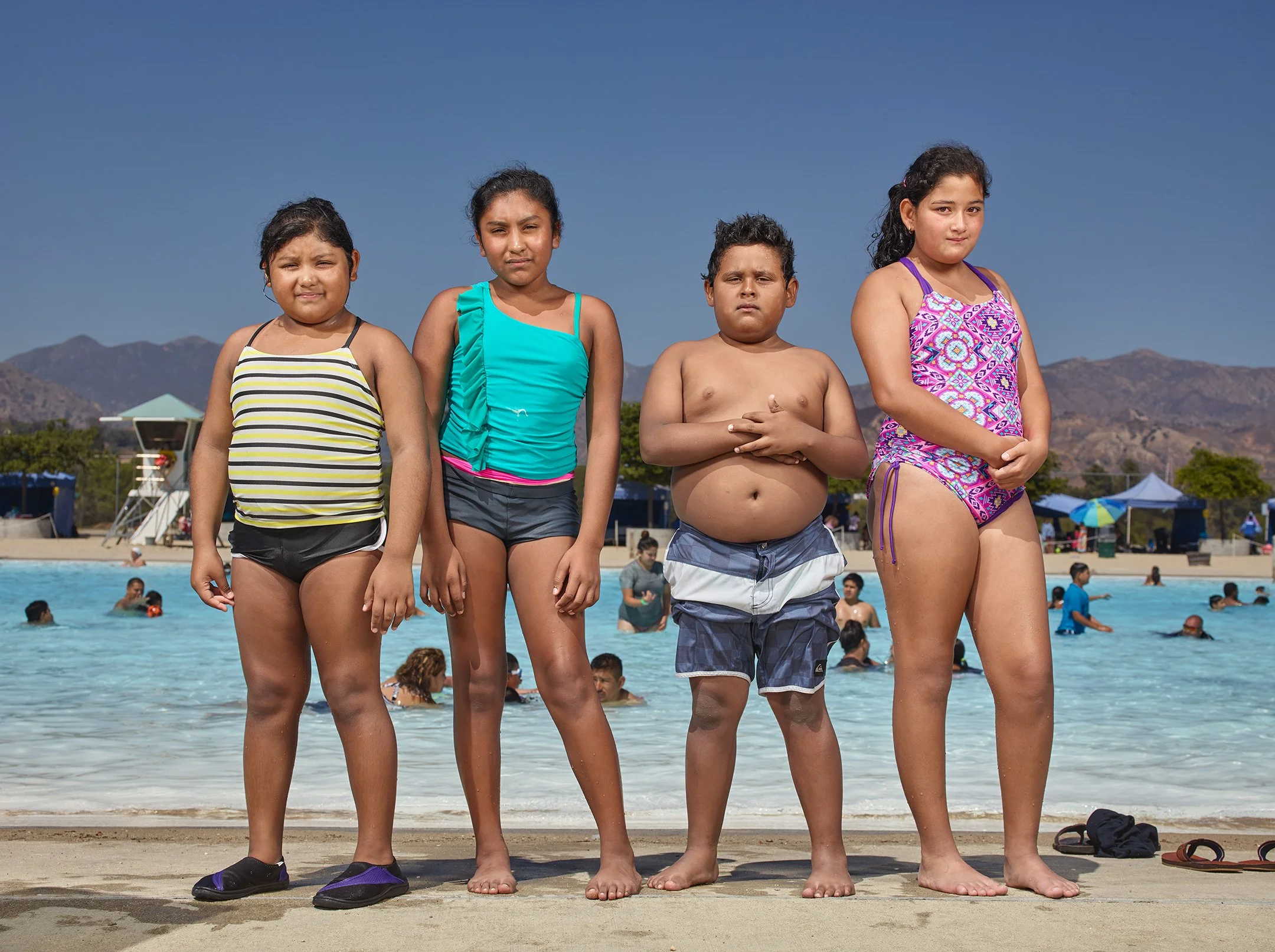
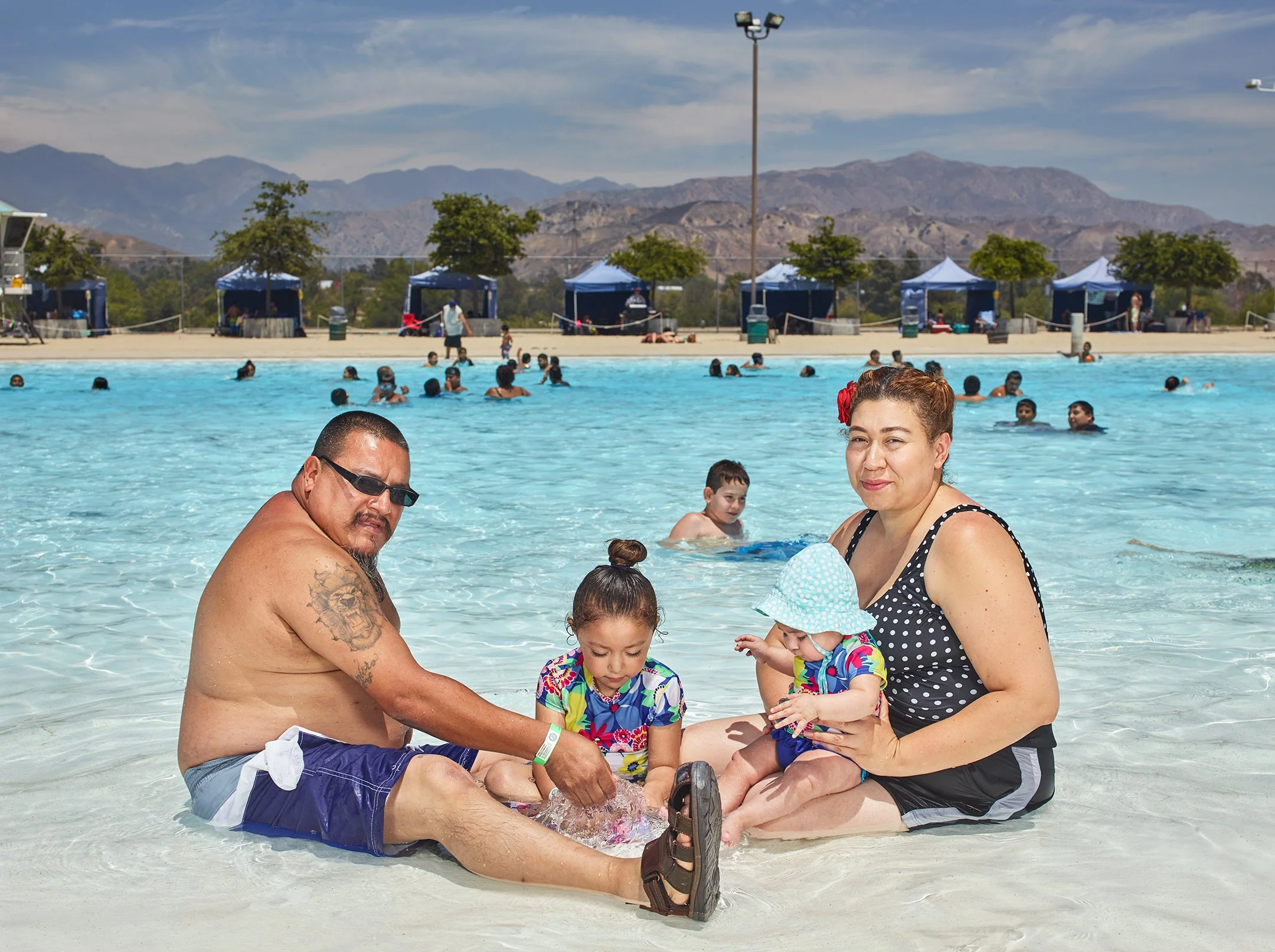
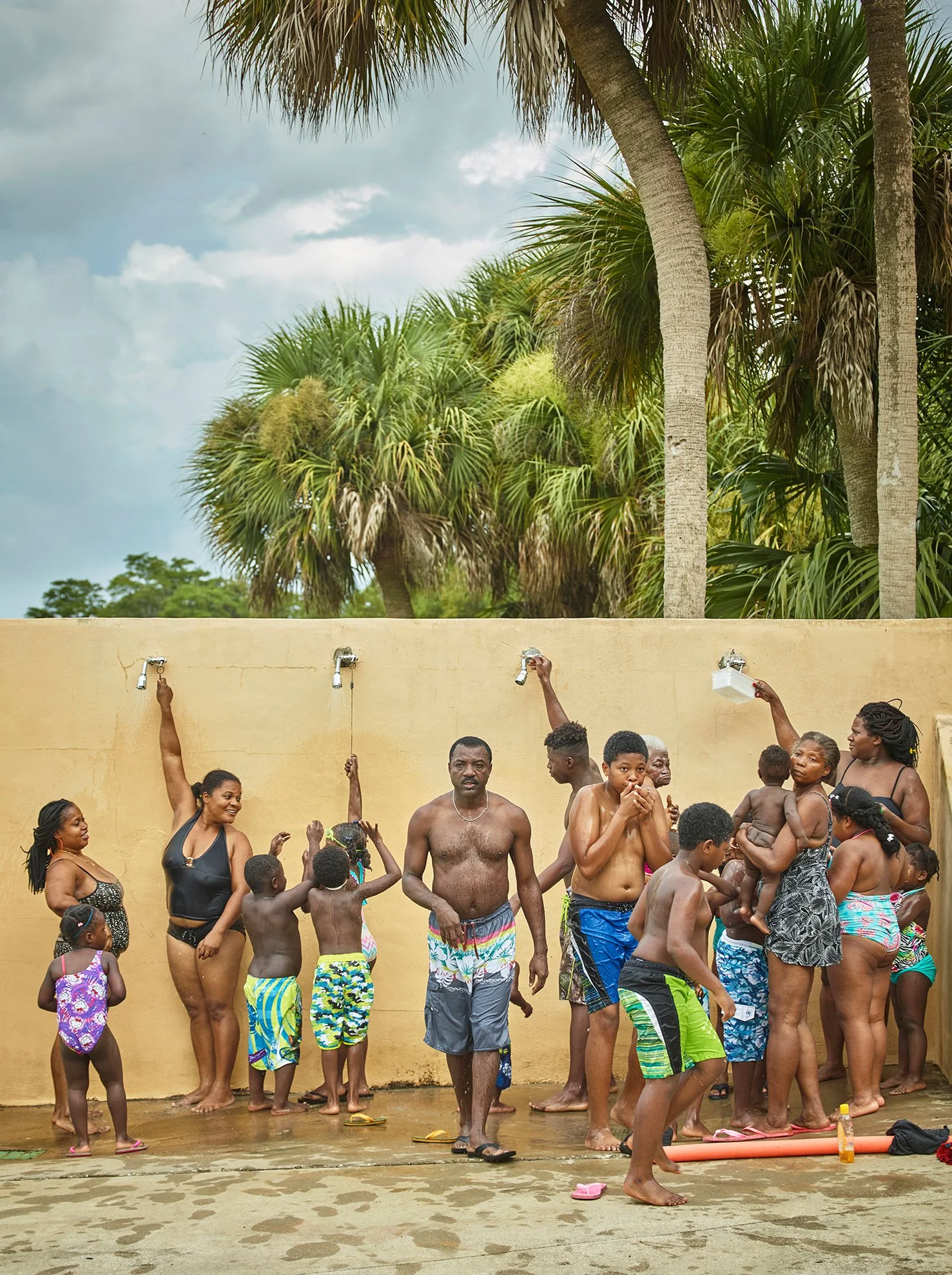
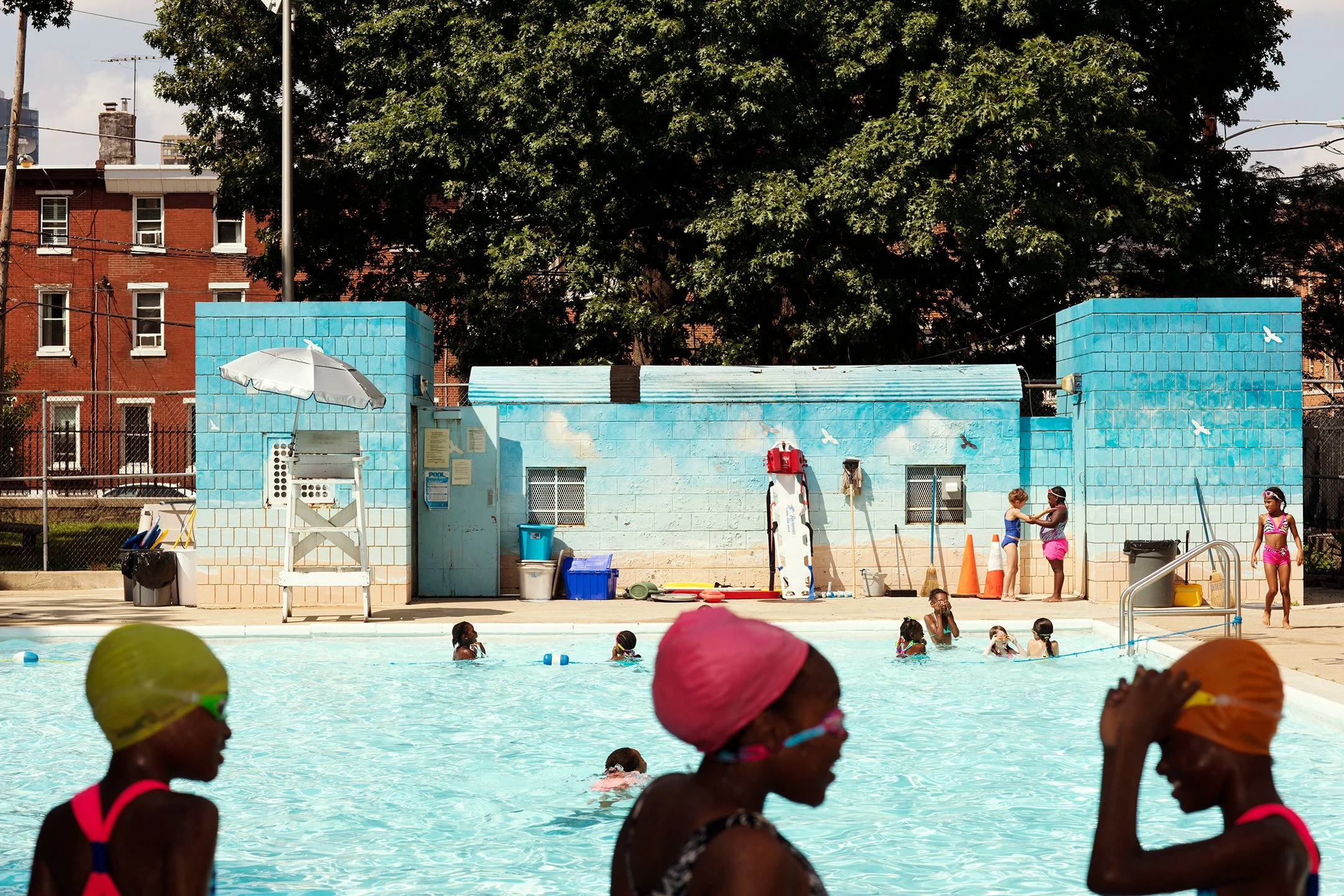
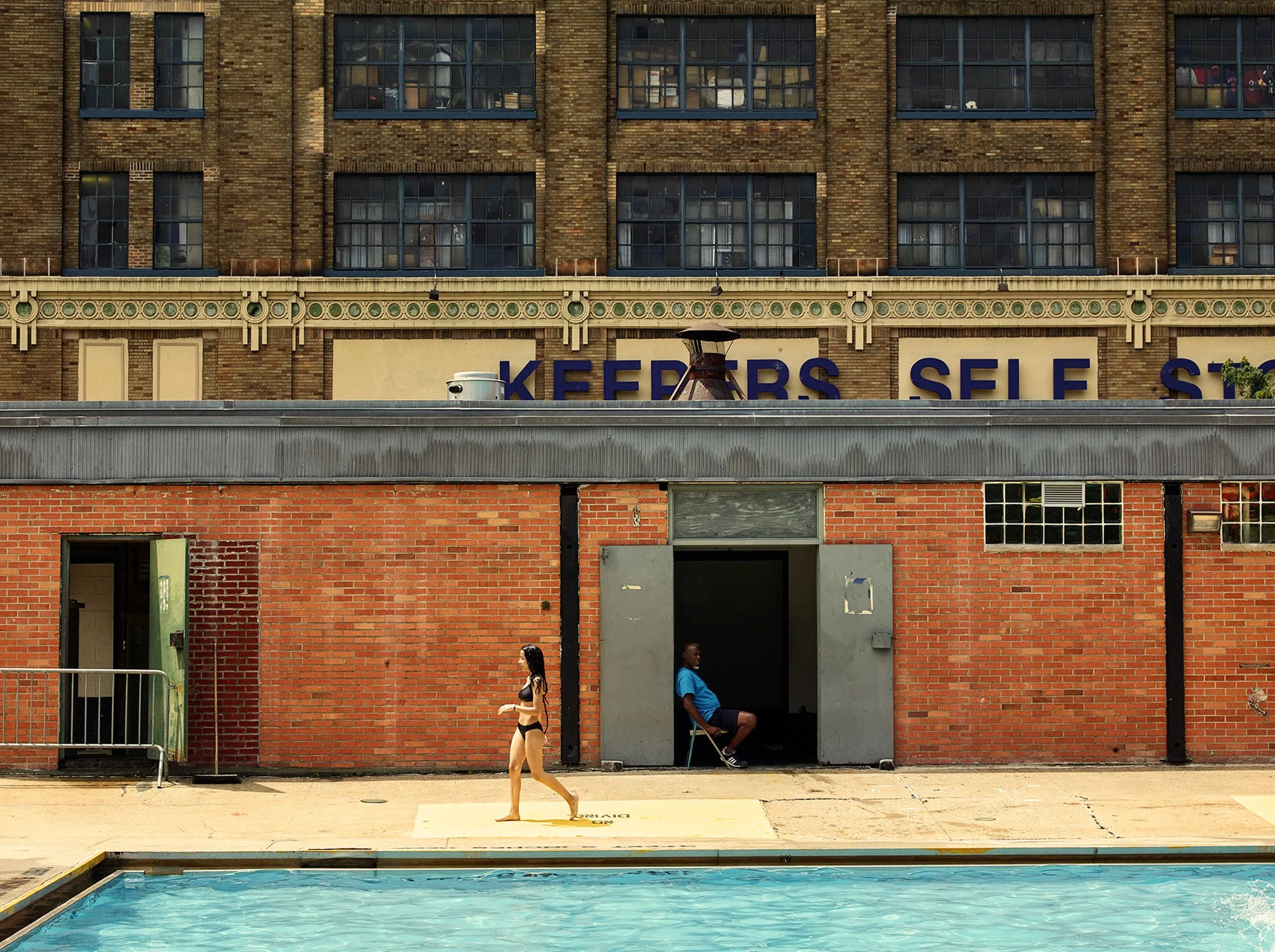
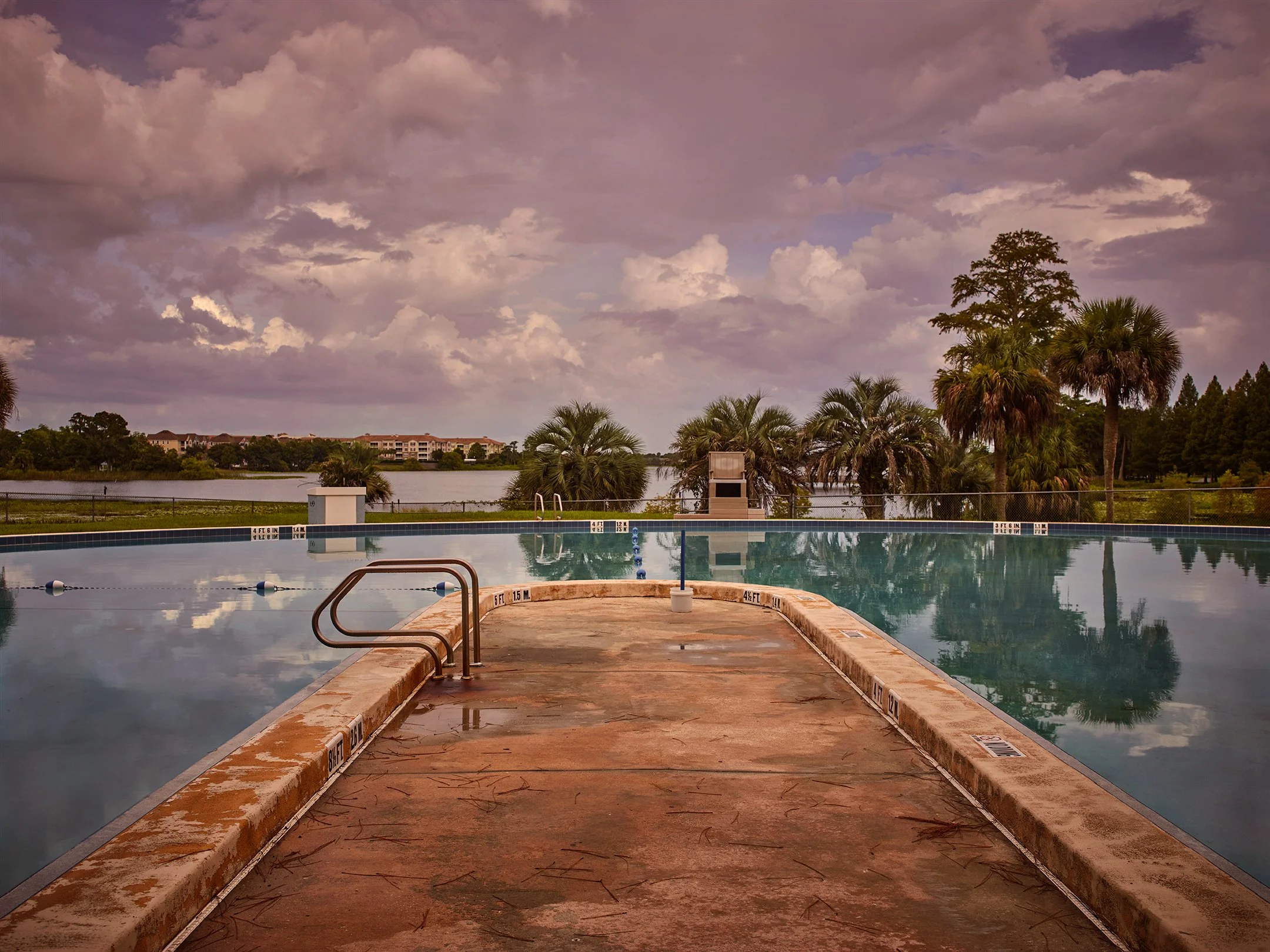
What about now? Have we finally gotten beyond the old prejudices that characterized public space? I traveled around the country to find out. I visited public pools in Chippewa Falls, Wisconsin and Washington DC; Orlando and Los Angeles; Chicago, Philadelphia, and New York; Sioux Falls, South Dakota, Villisca, Iowa and Blooming Prairie, Minnesota. I found that if you want to get a feel for the character and culture of a place, you can often find it at the pool.
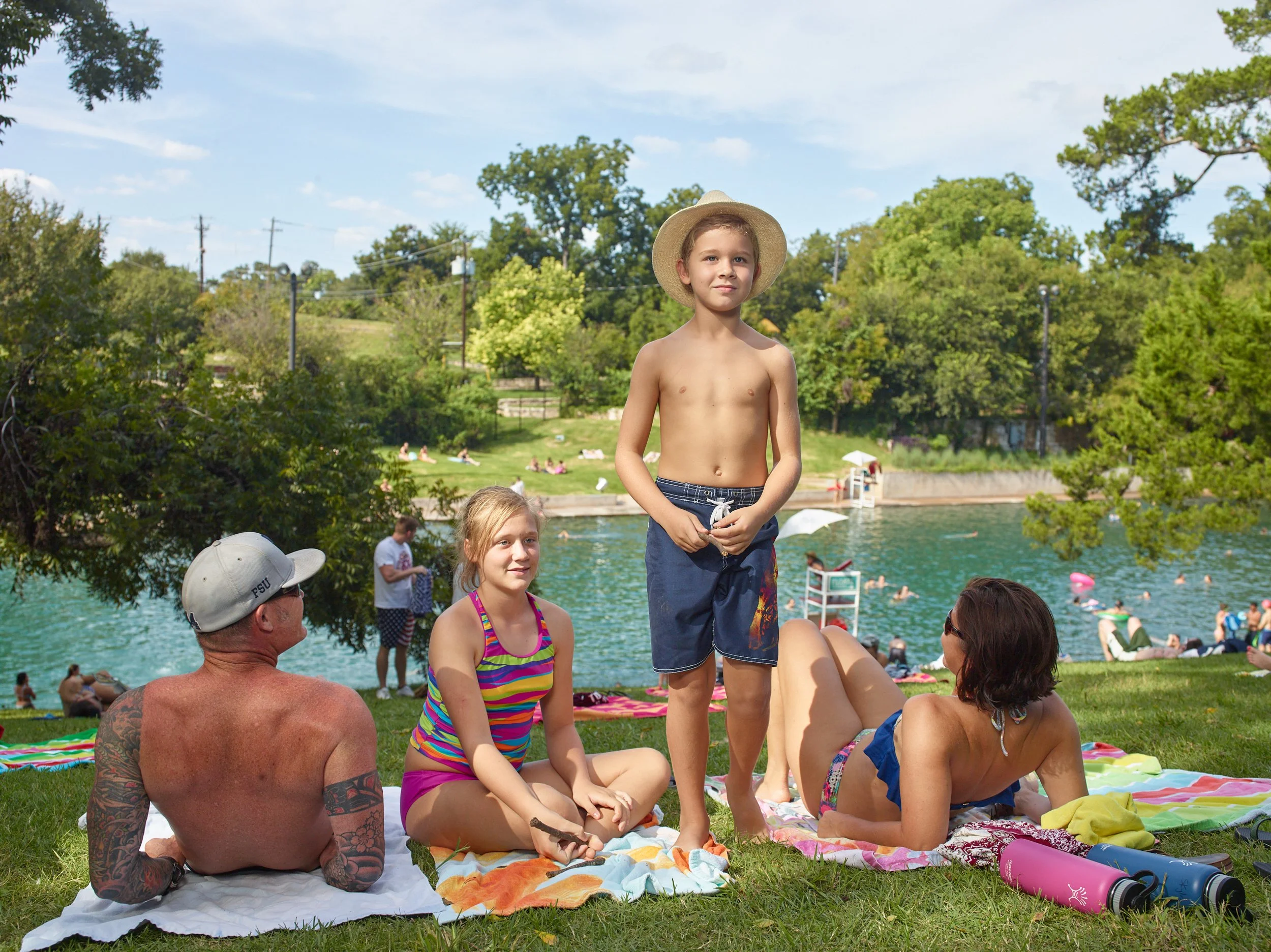
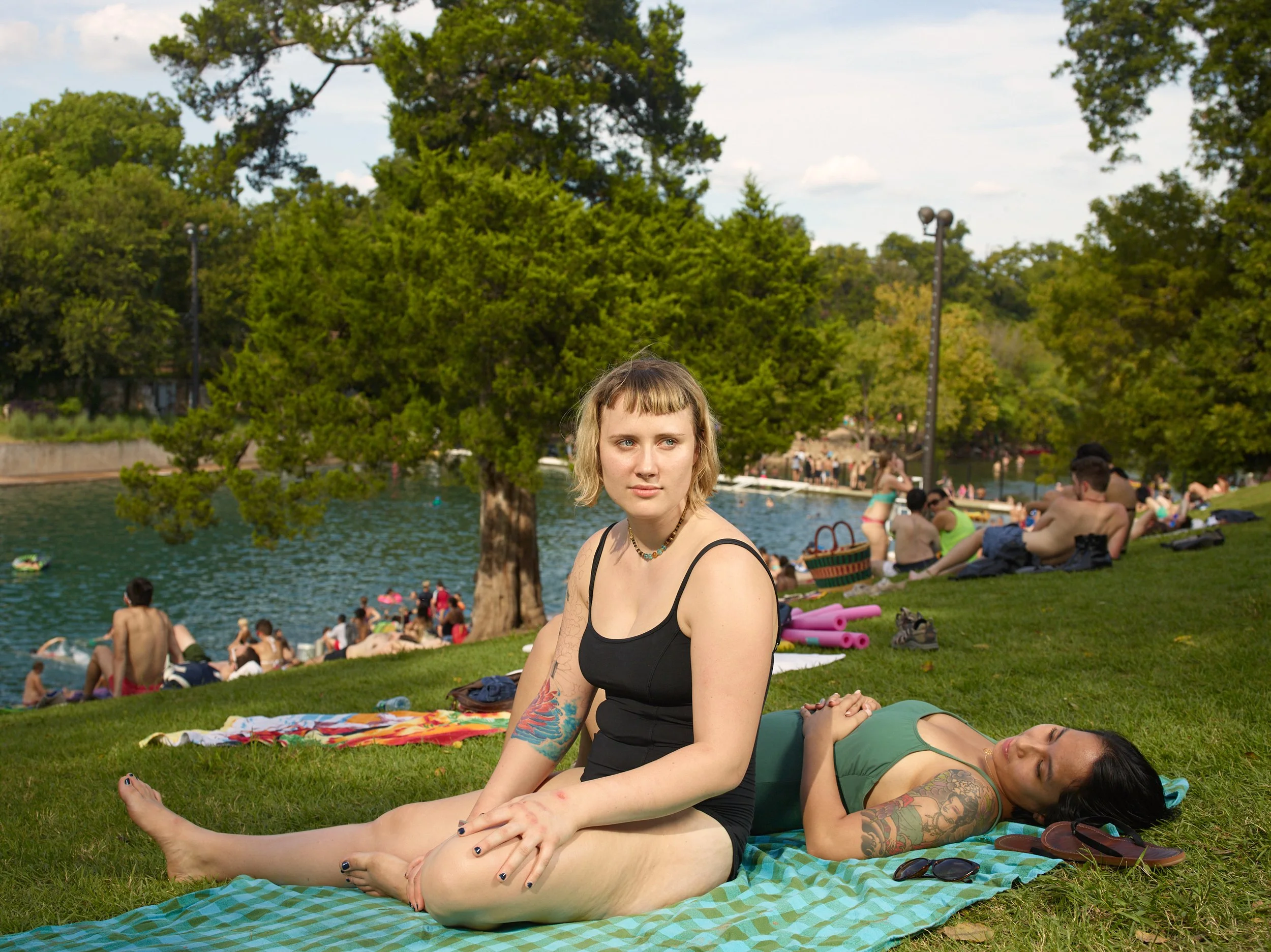
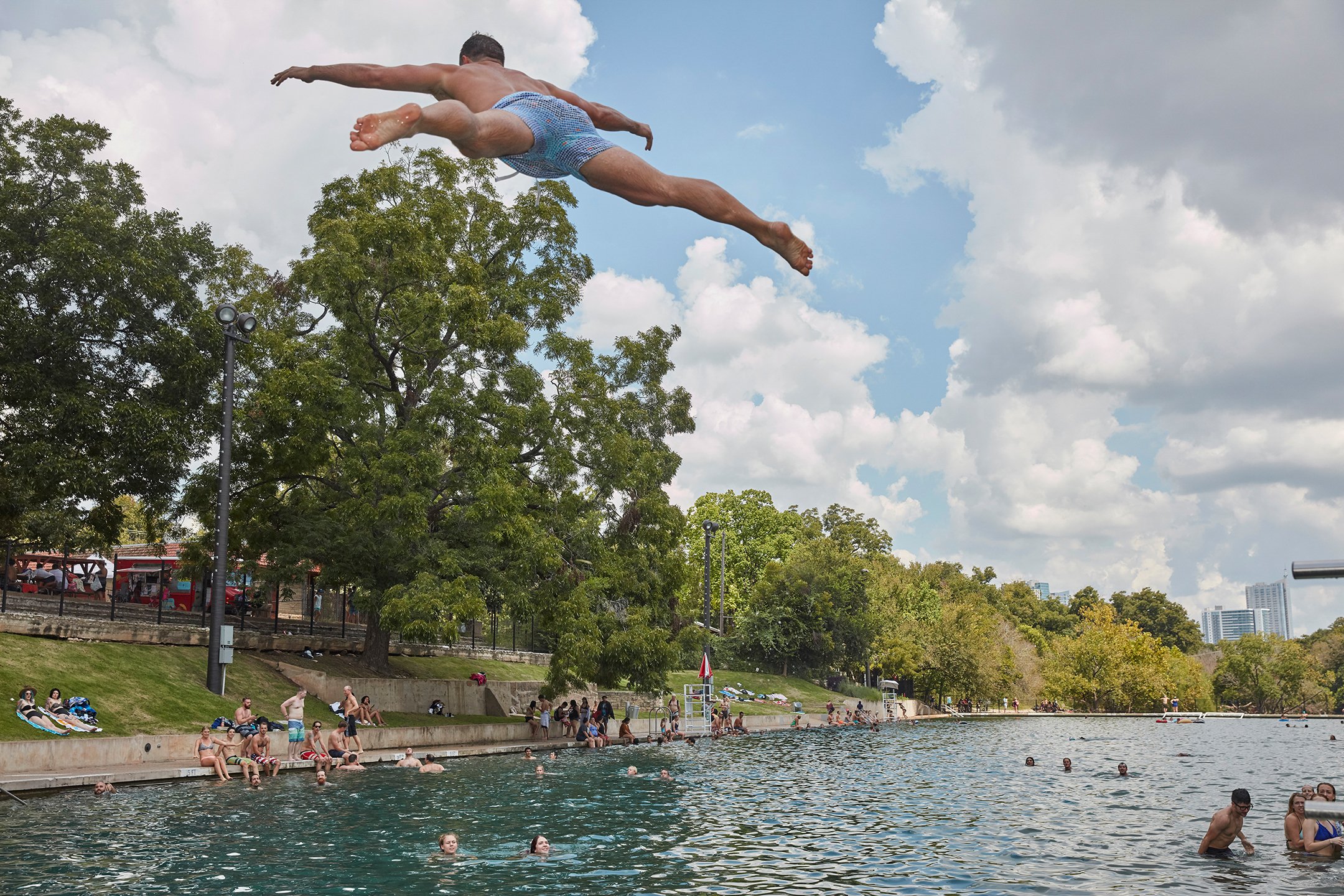
Barton Springs, a long, meandering spring fed pool, is an inclusive sanctuary and the soul of Austin, Texas. Accents from around the globe drift together. Nine-to-fivers, free spirits, war veterans, sorority girls, brothers from Karachi, sisters from Guangzhou, and Mexican-American teens share the water.
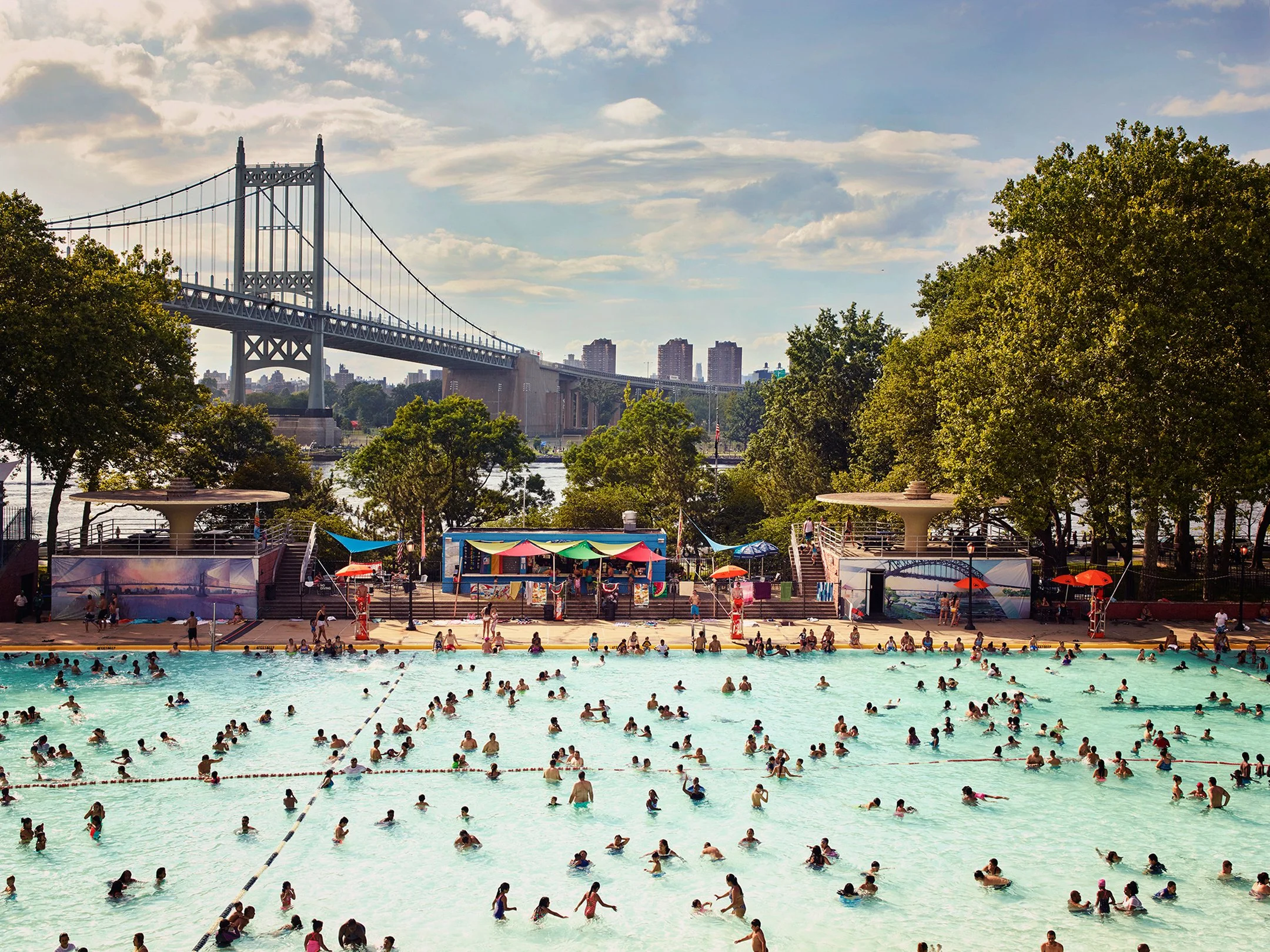
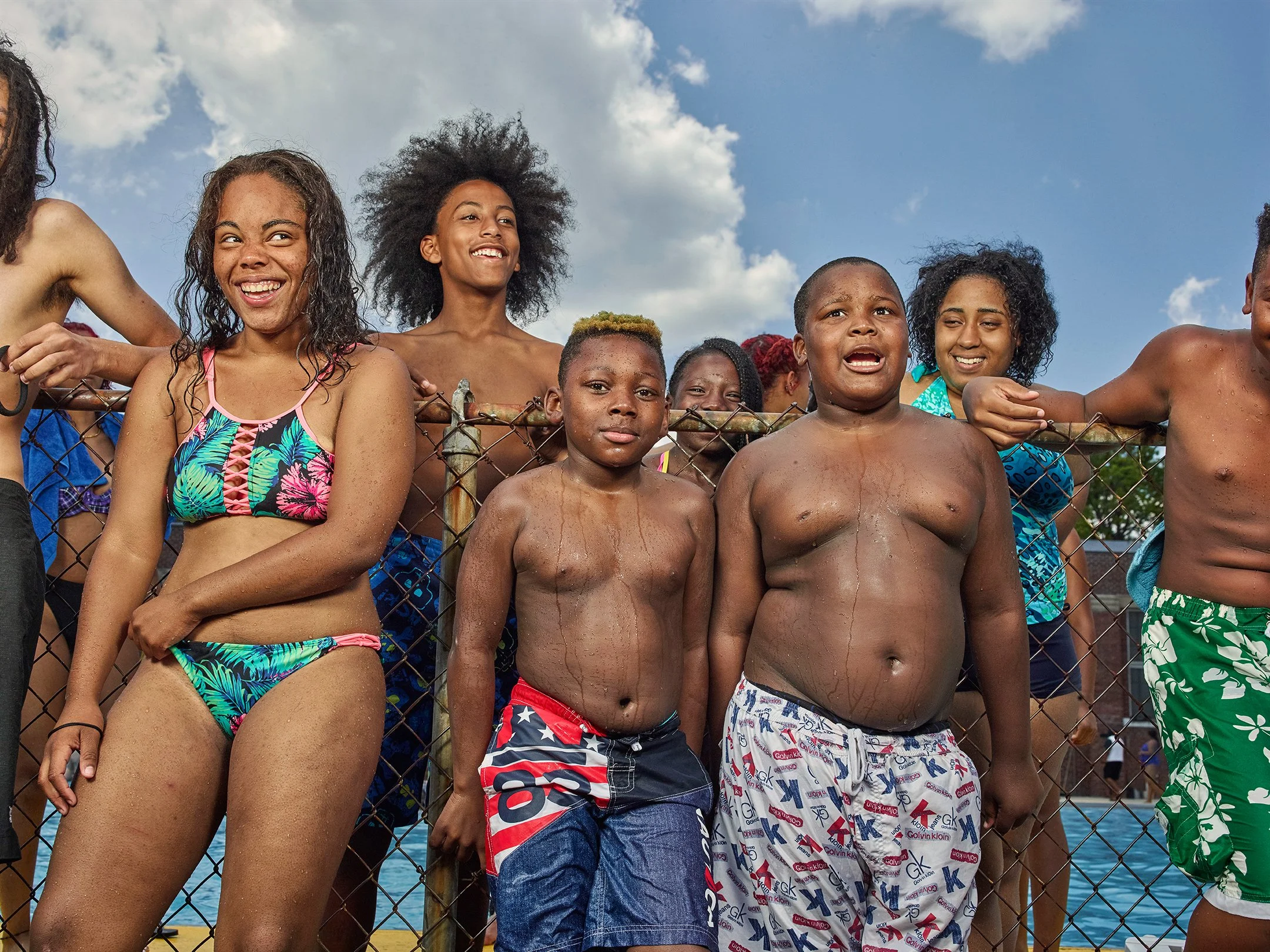
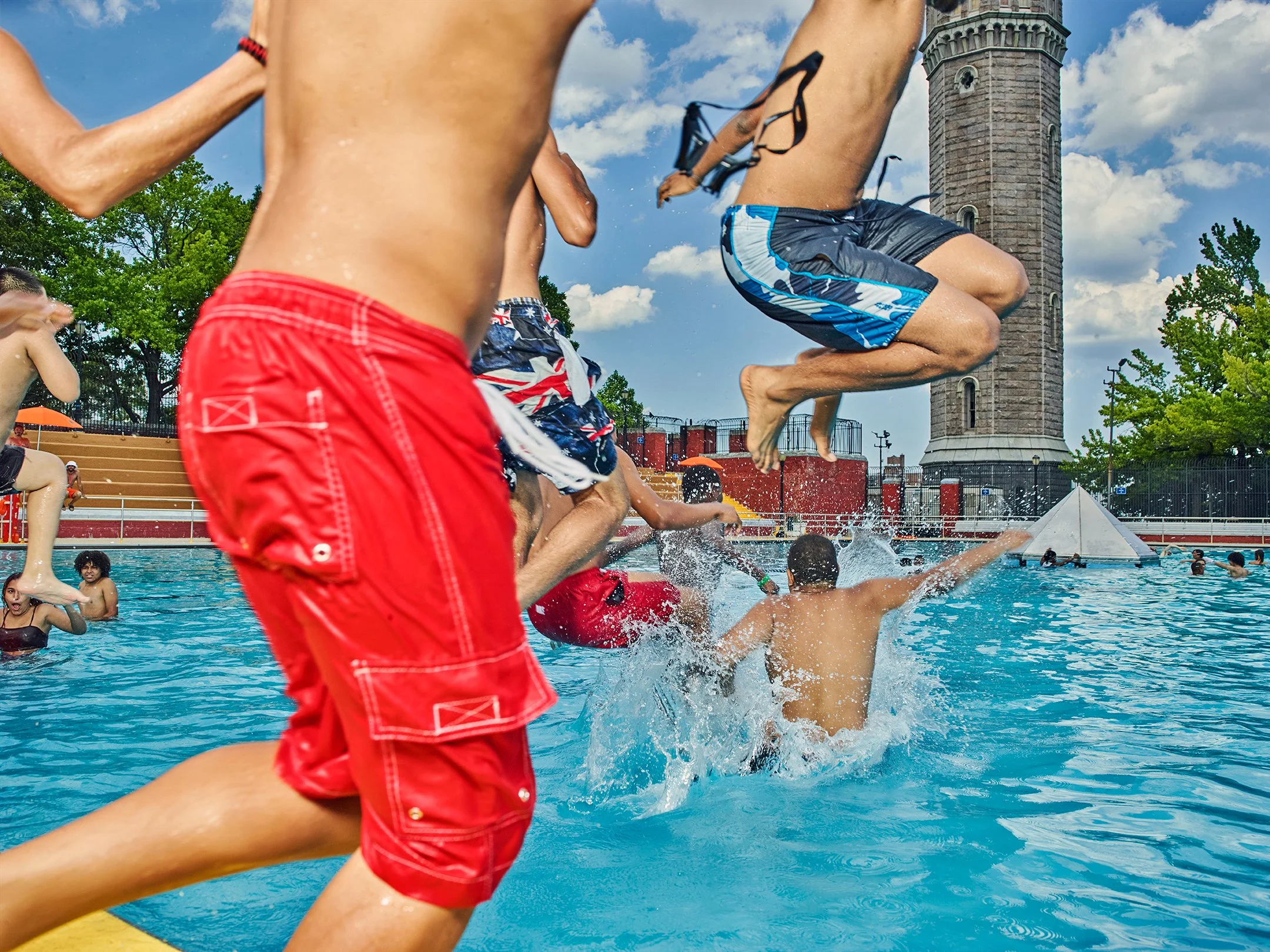
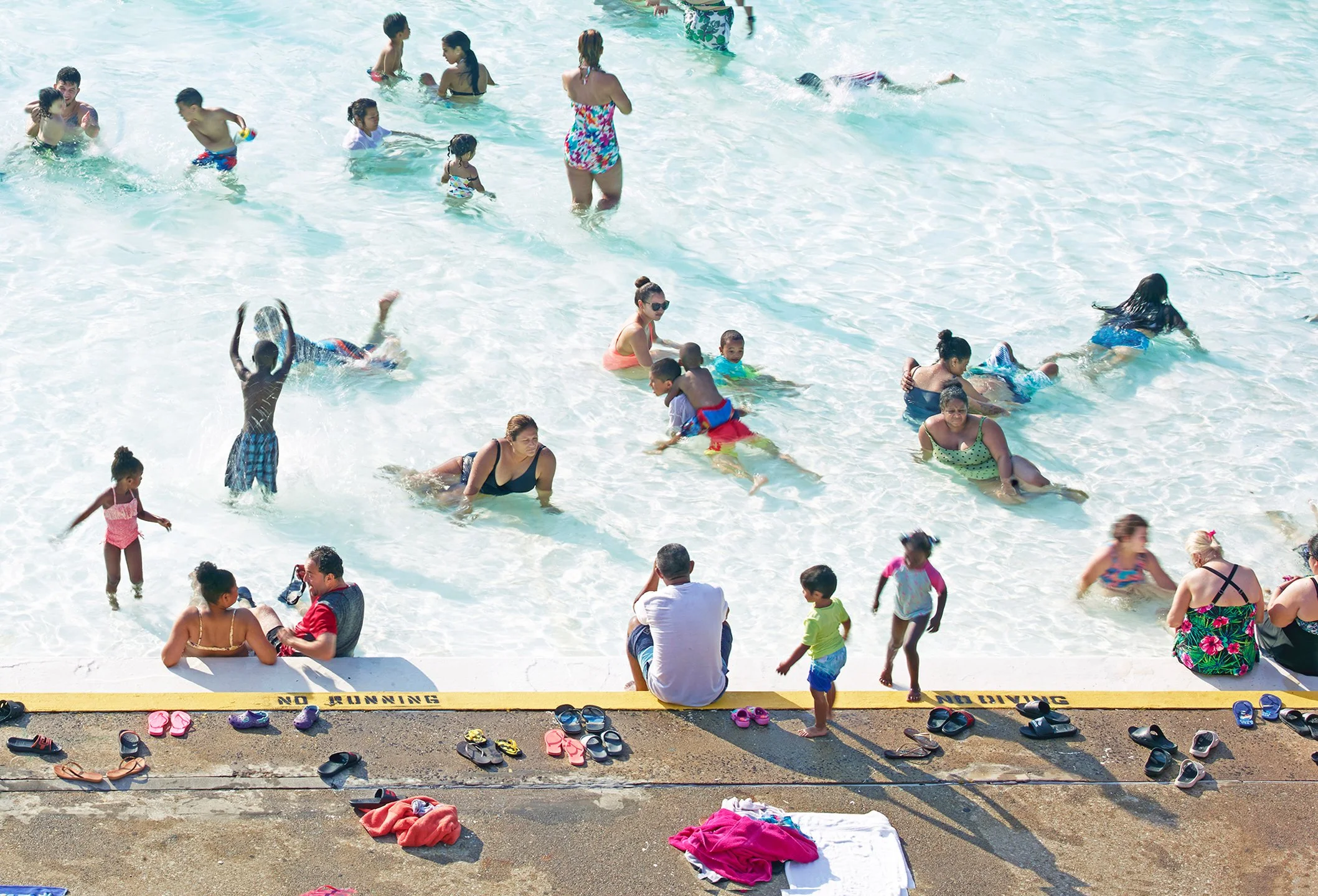
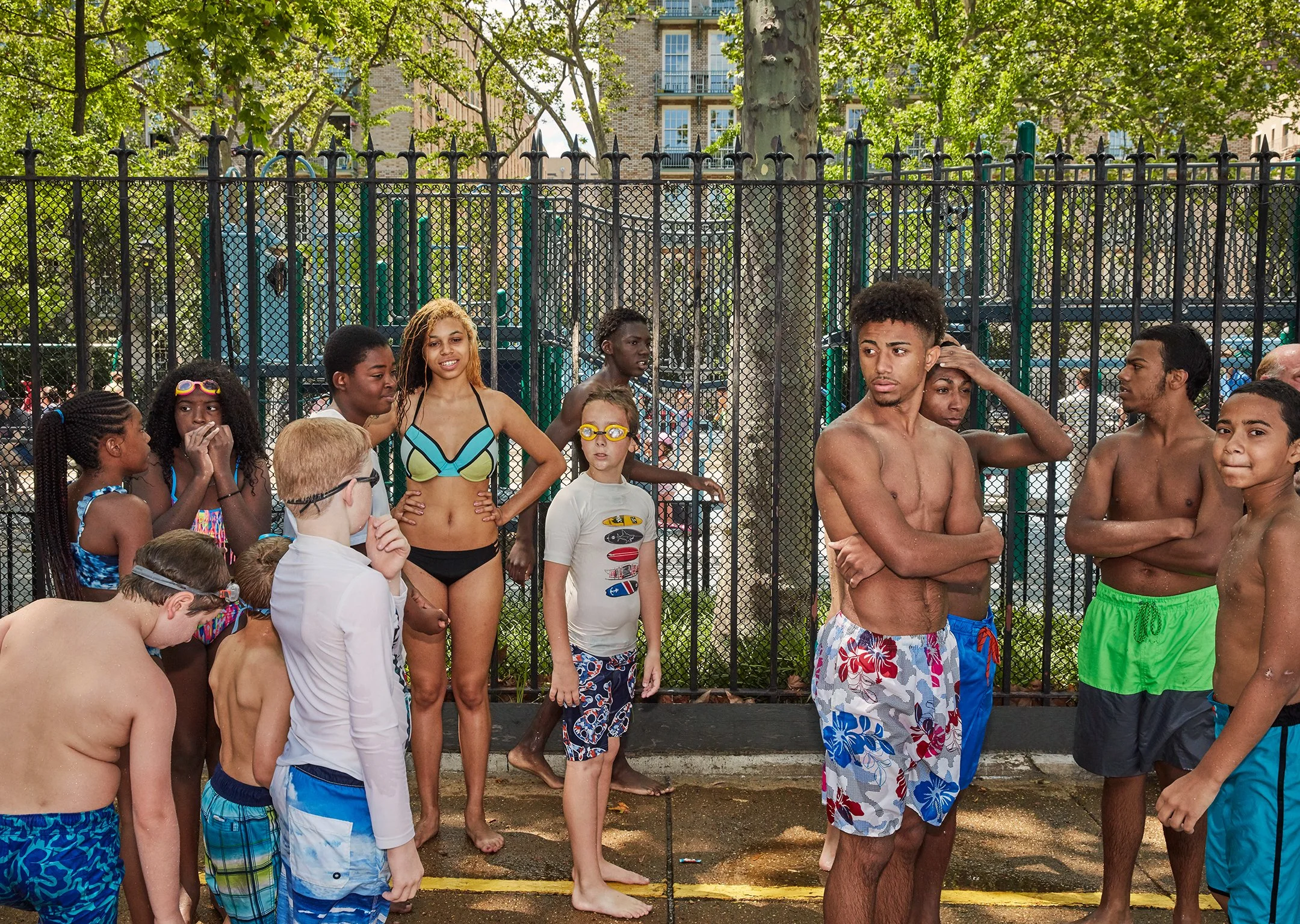
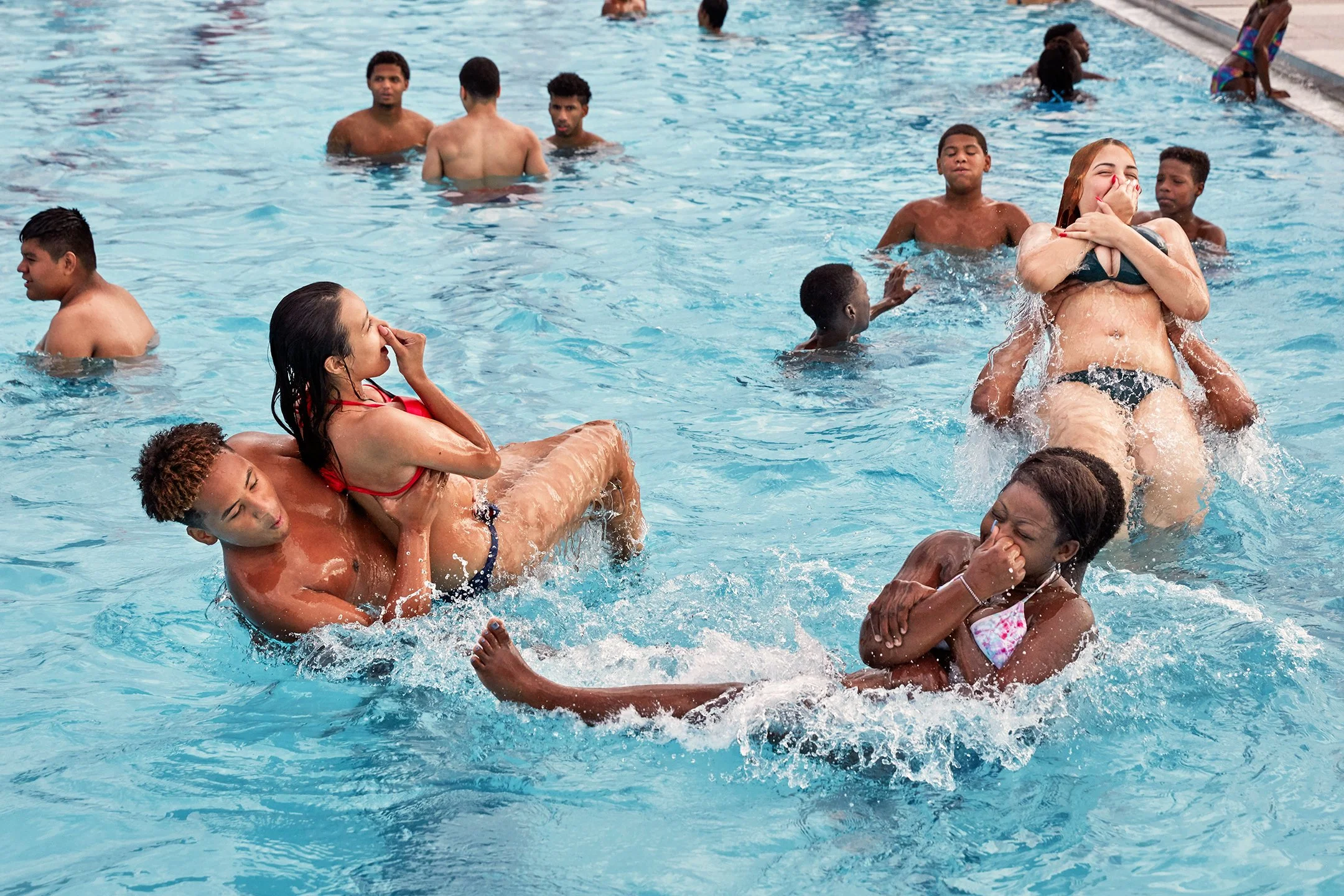
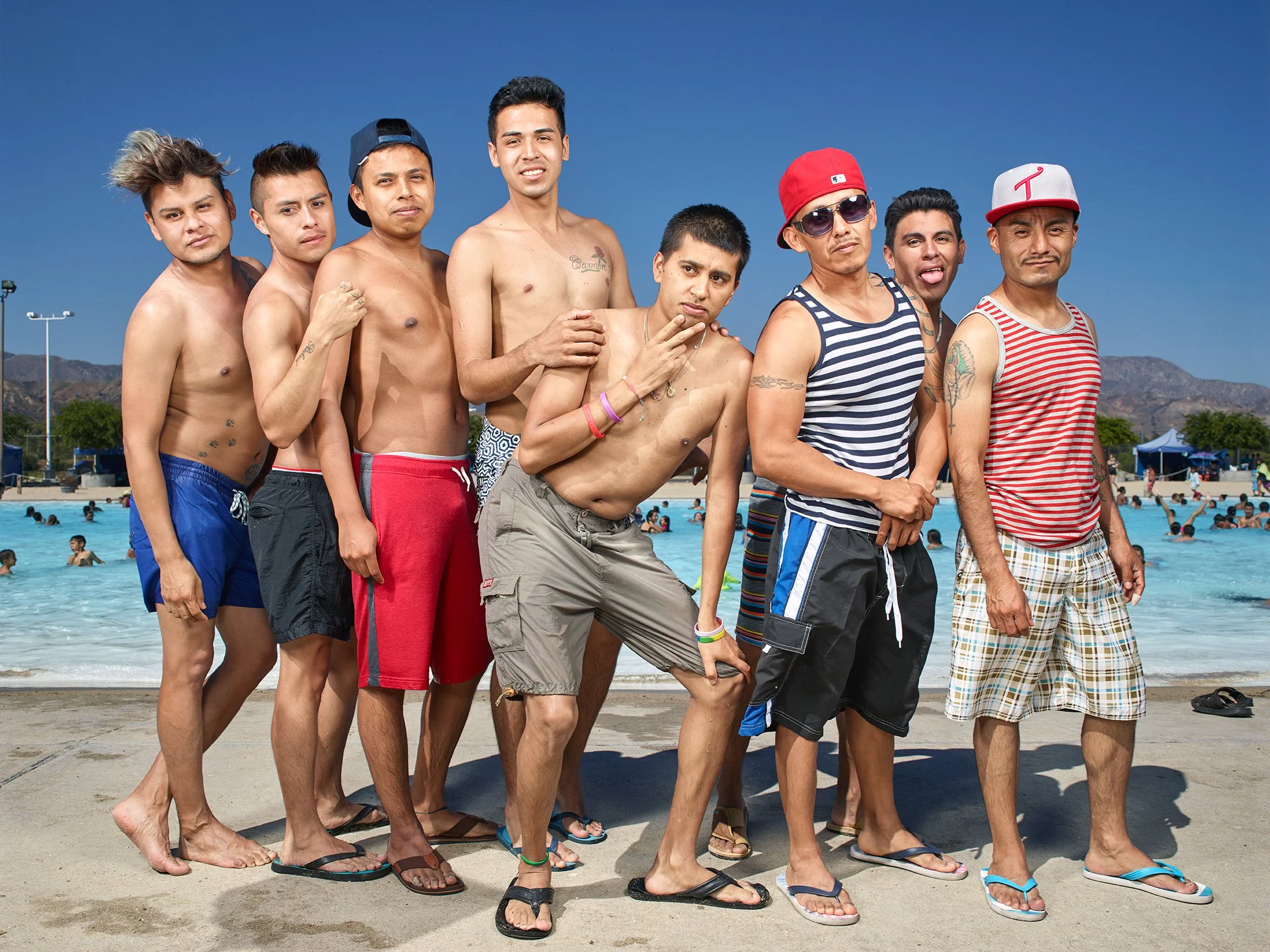
There were other melting pots, like Hamilton Fish Pool in Manhattan’s Lower East Side, where people of all backgrounds jostle together. Pools serve their neighborhoods and most are not as integrated as the Lower East Side. Other NYC pools were less integrated, closely reflecting the colors of their residents.
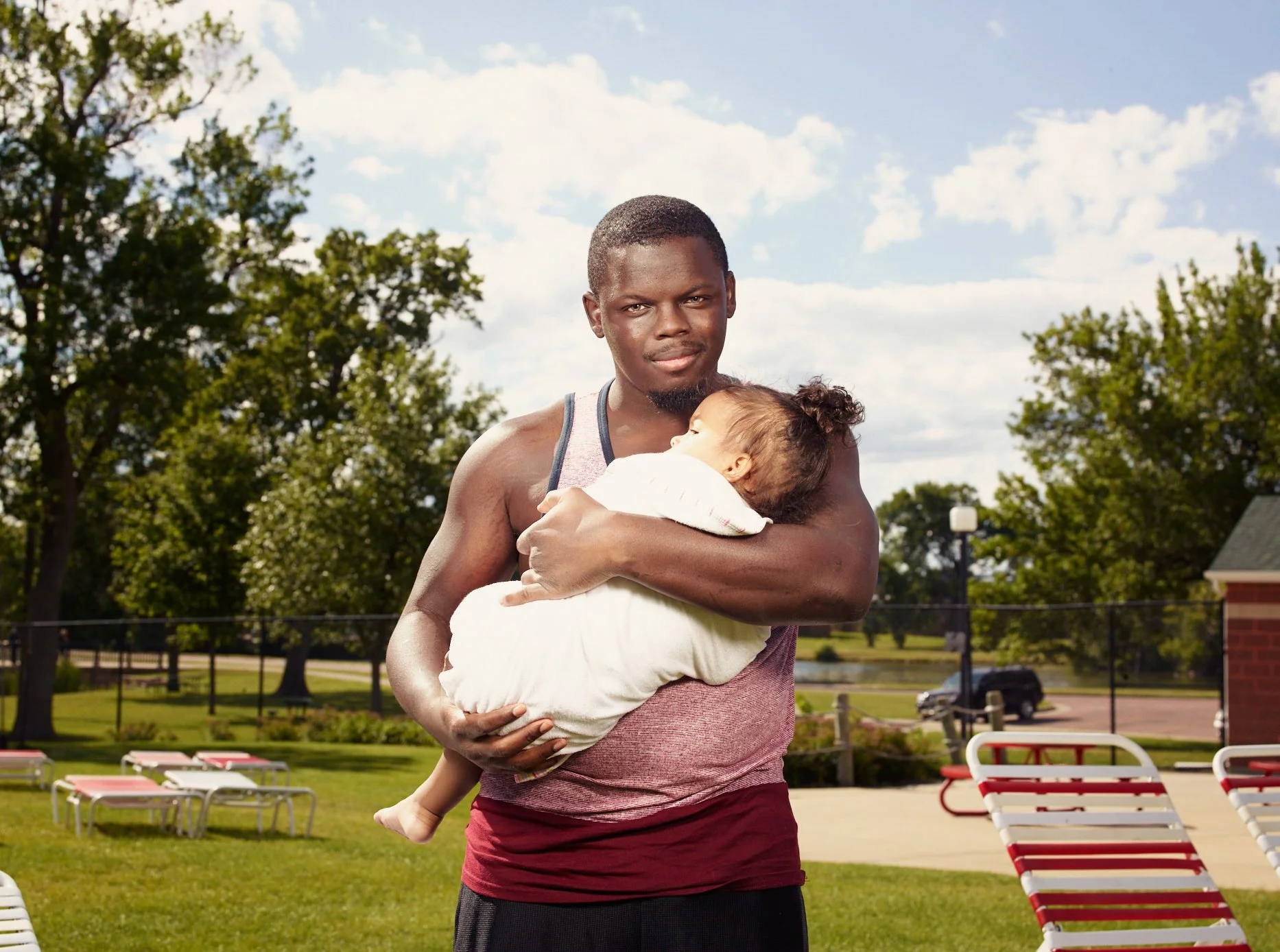
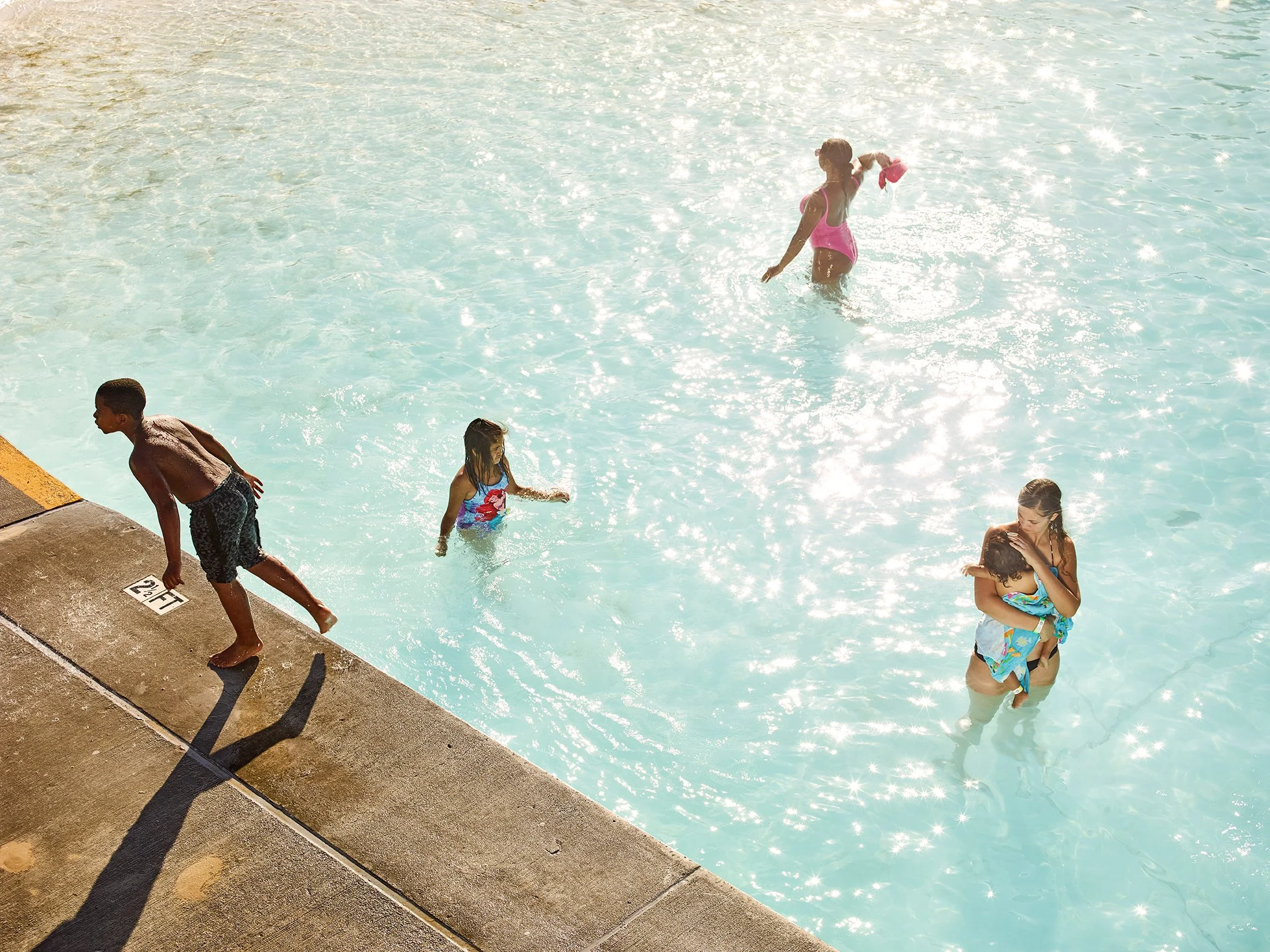
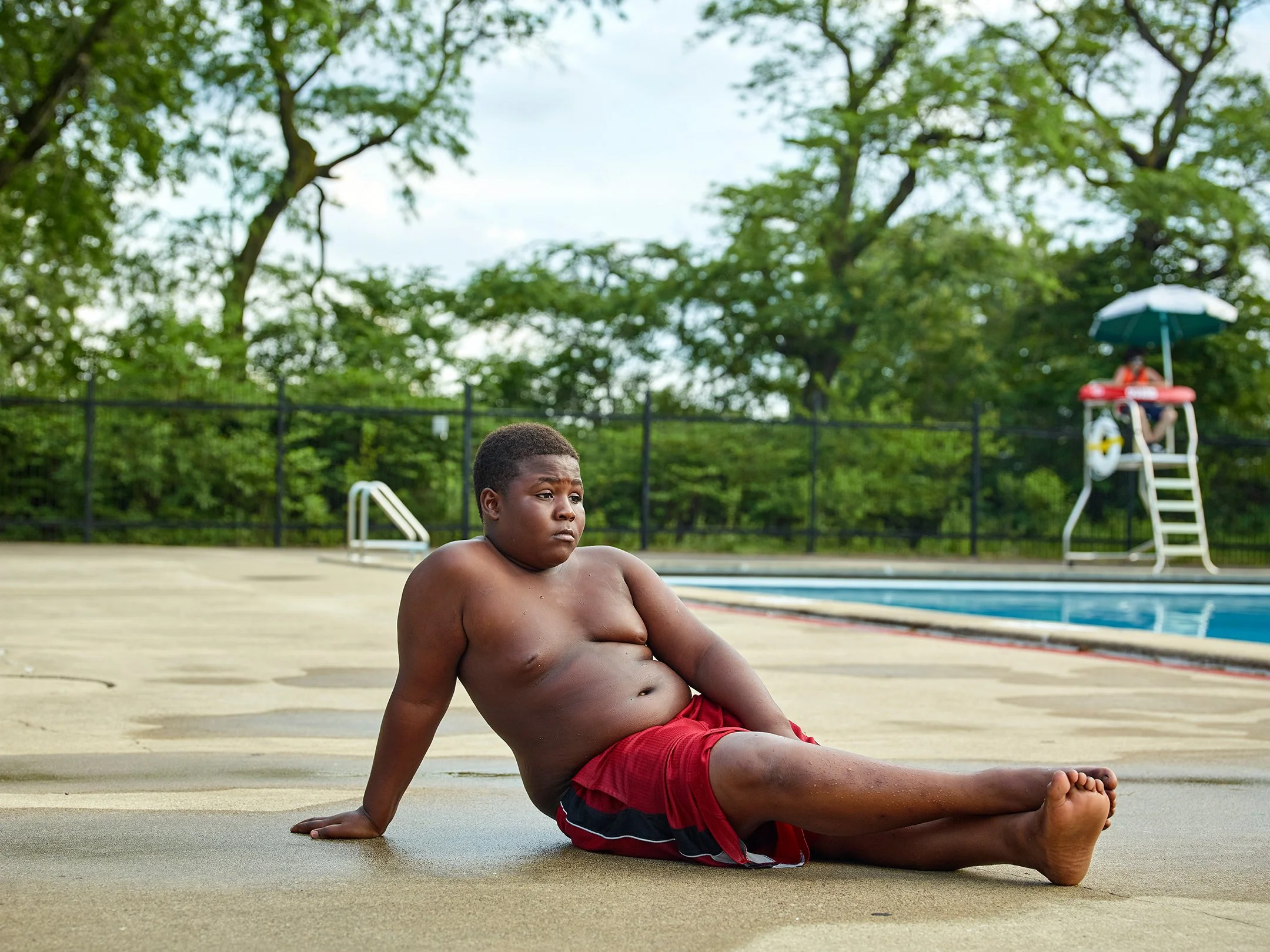
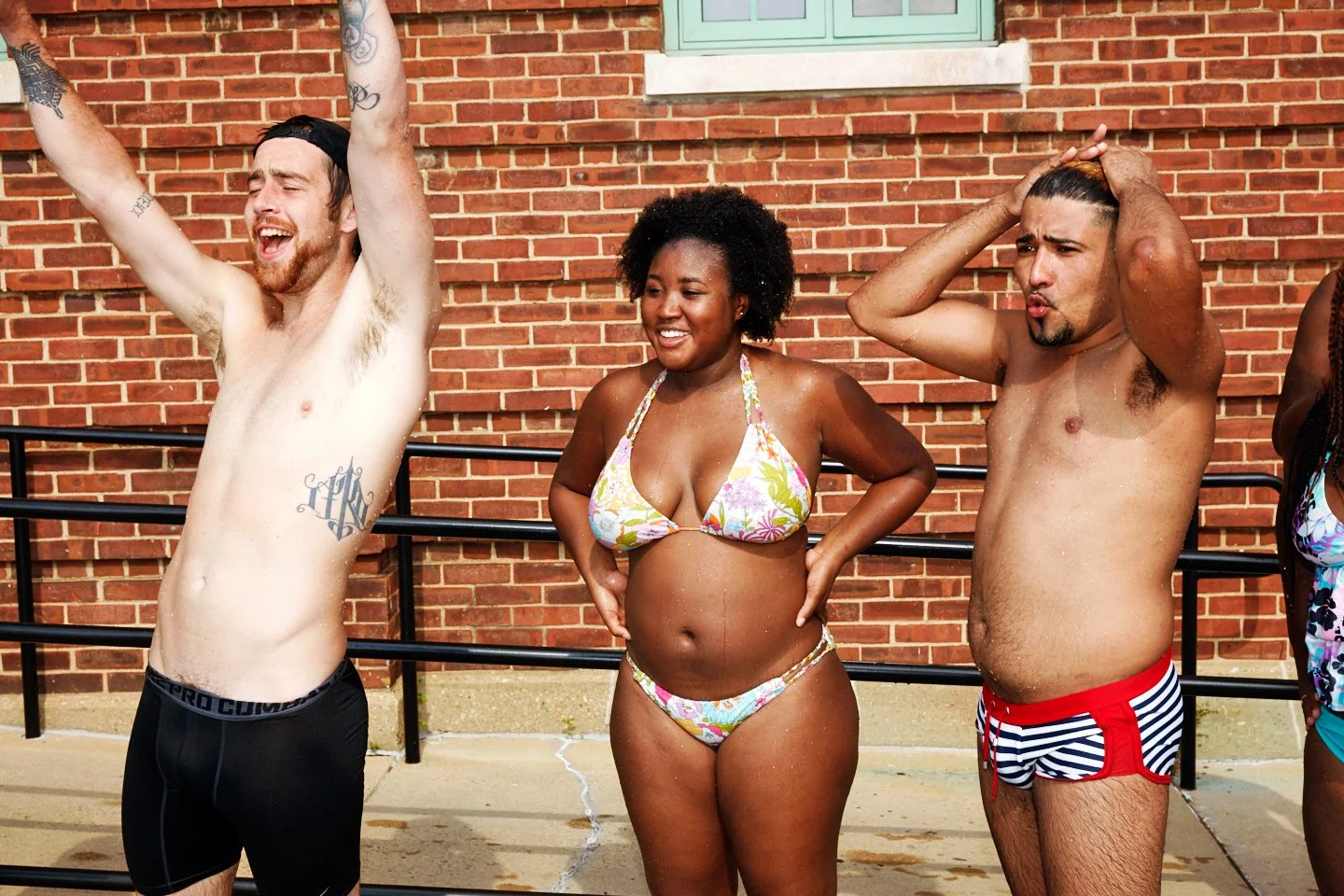
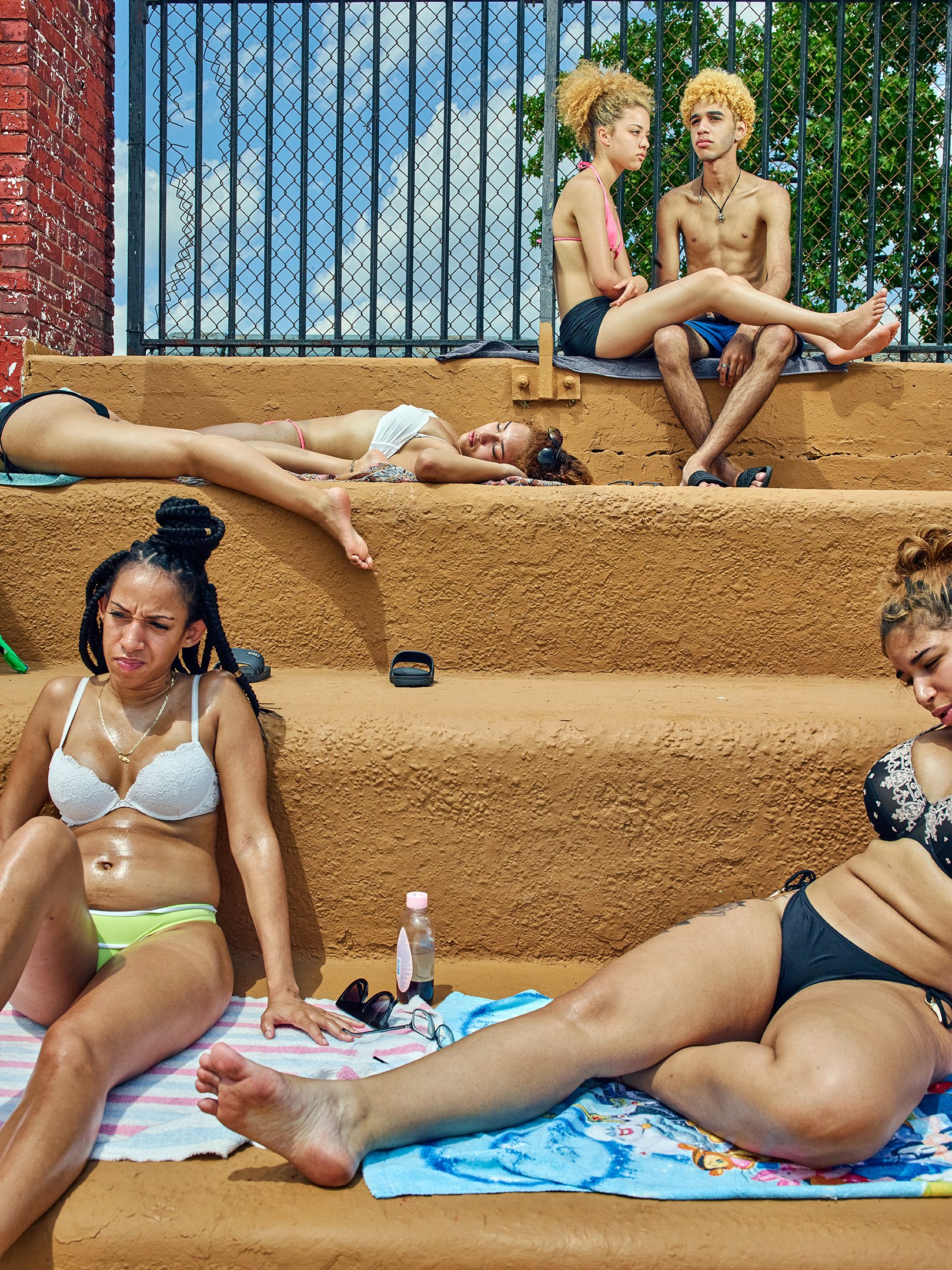
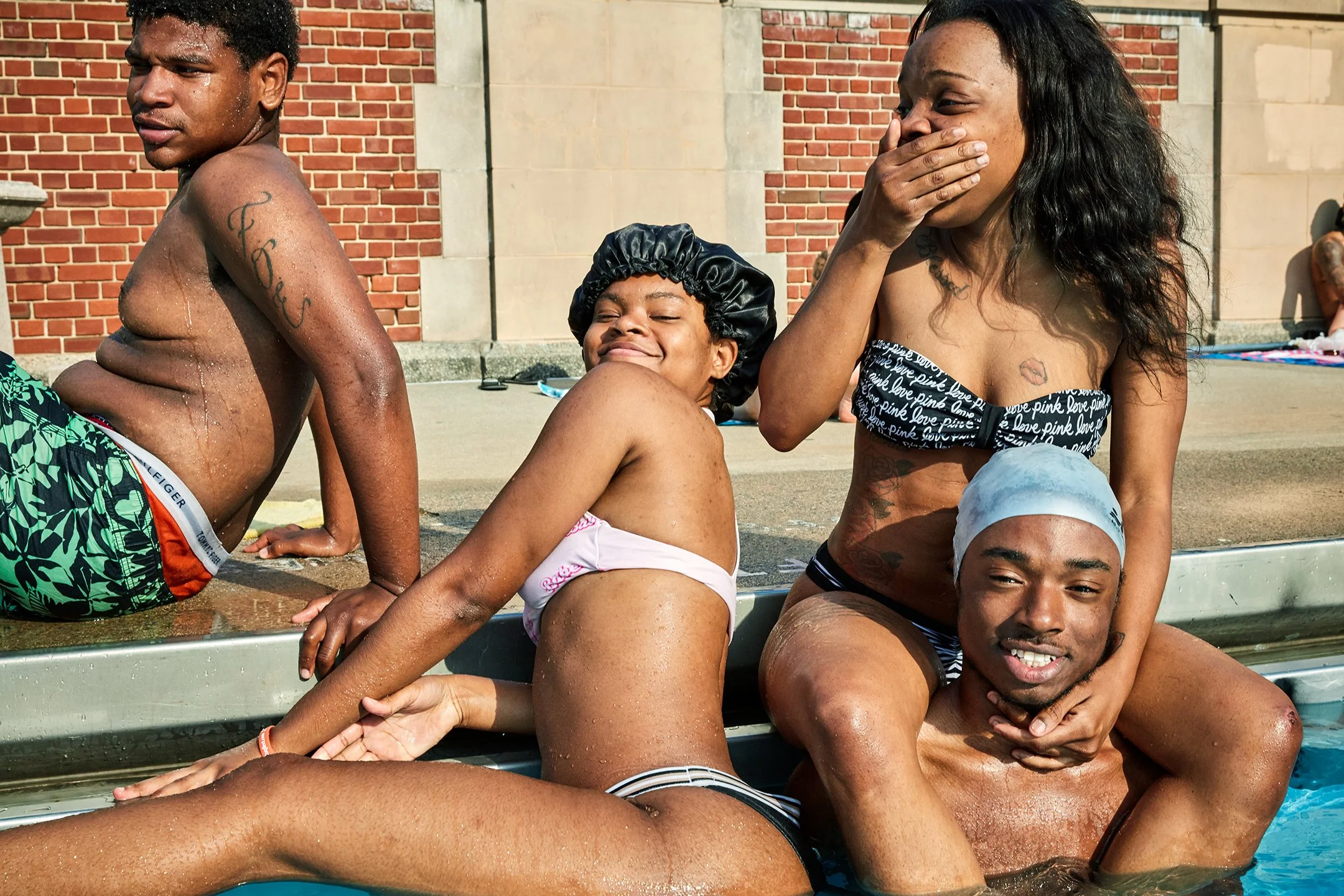
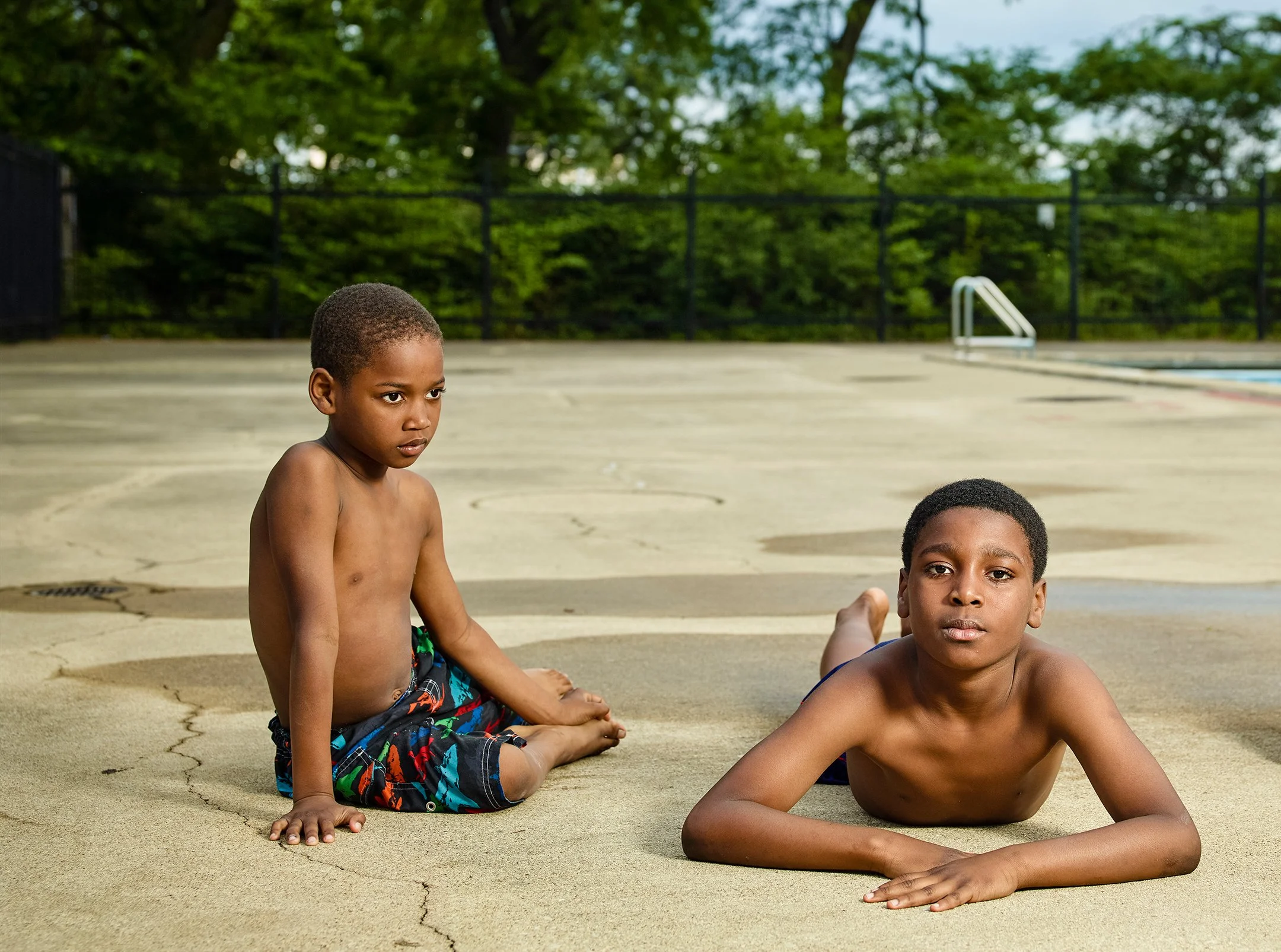
Banneker, established as a pool for black Washingtonians in 1934, is in the heart of one of the fastest gentrifying neighborhoods in the nation. But gentrification doesn’t entirely equate to integration; the only mingling I found at Banneker was in the line for the diving board. Nonetheless, the public pool is a vital sanctuary for those who don’t live in gated communities or belong to private swim clubs. “Coming here kept me off the streets,” says Alex McCall, Banneker’s manager, who views the pool as his 2nd home. “I’m going to love this pool till the day I die.”
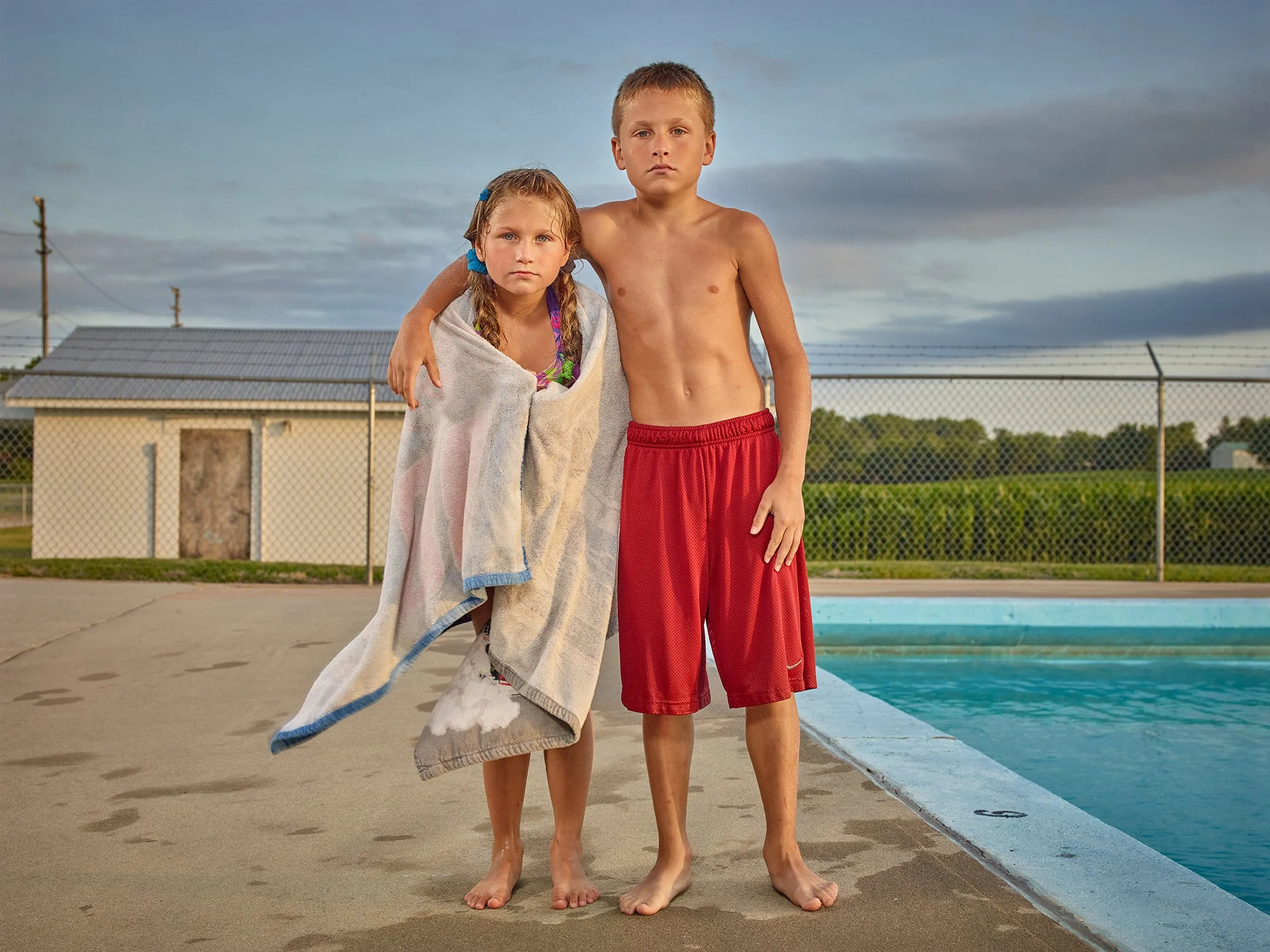
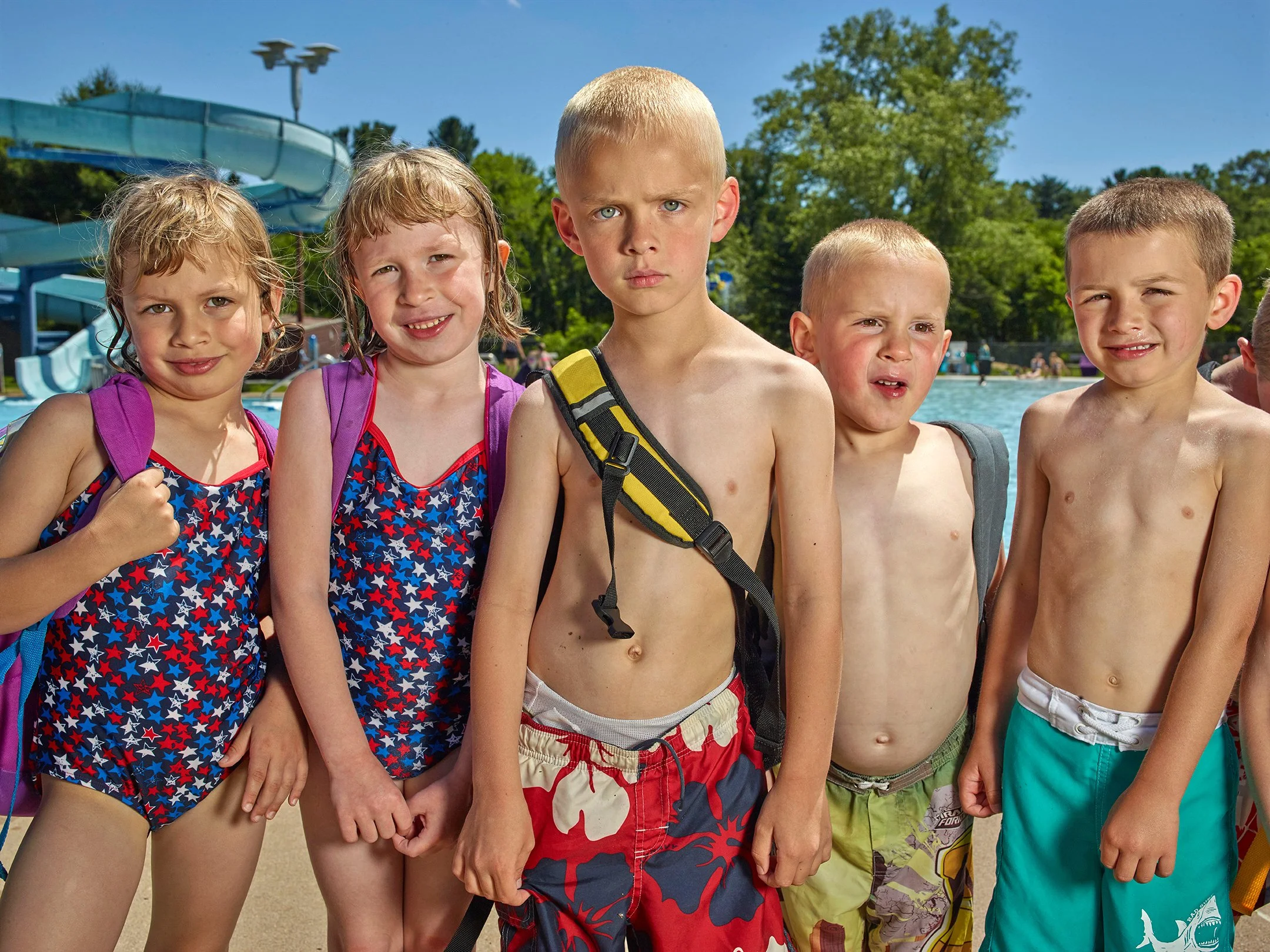
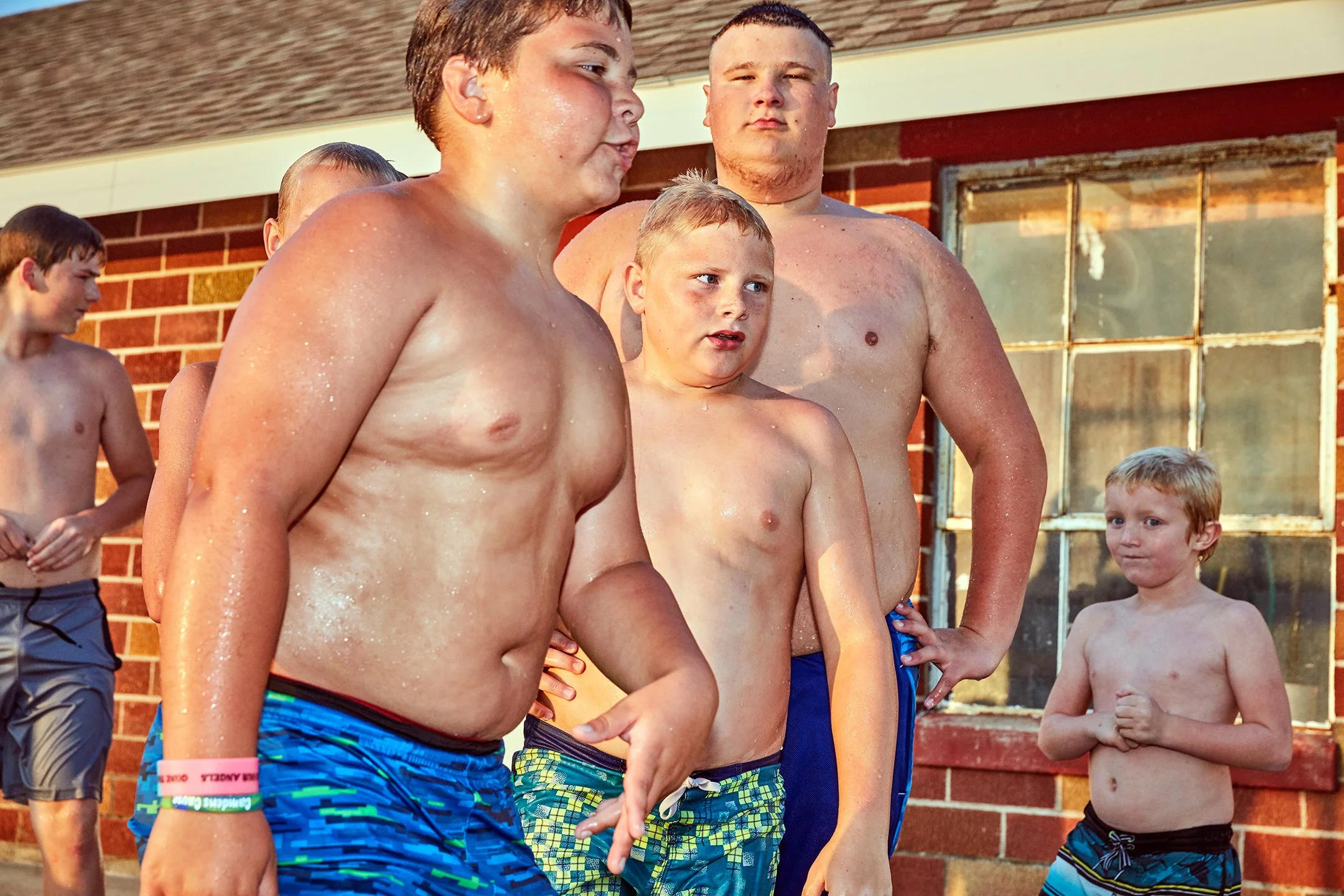
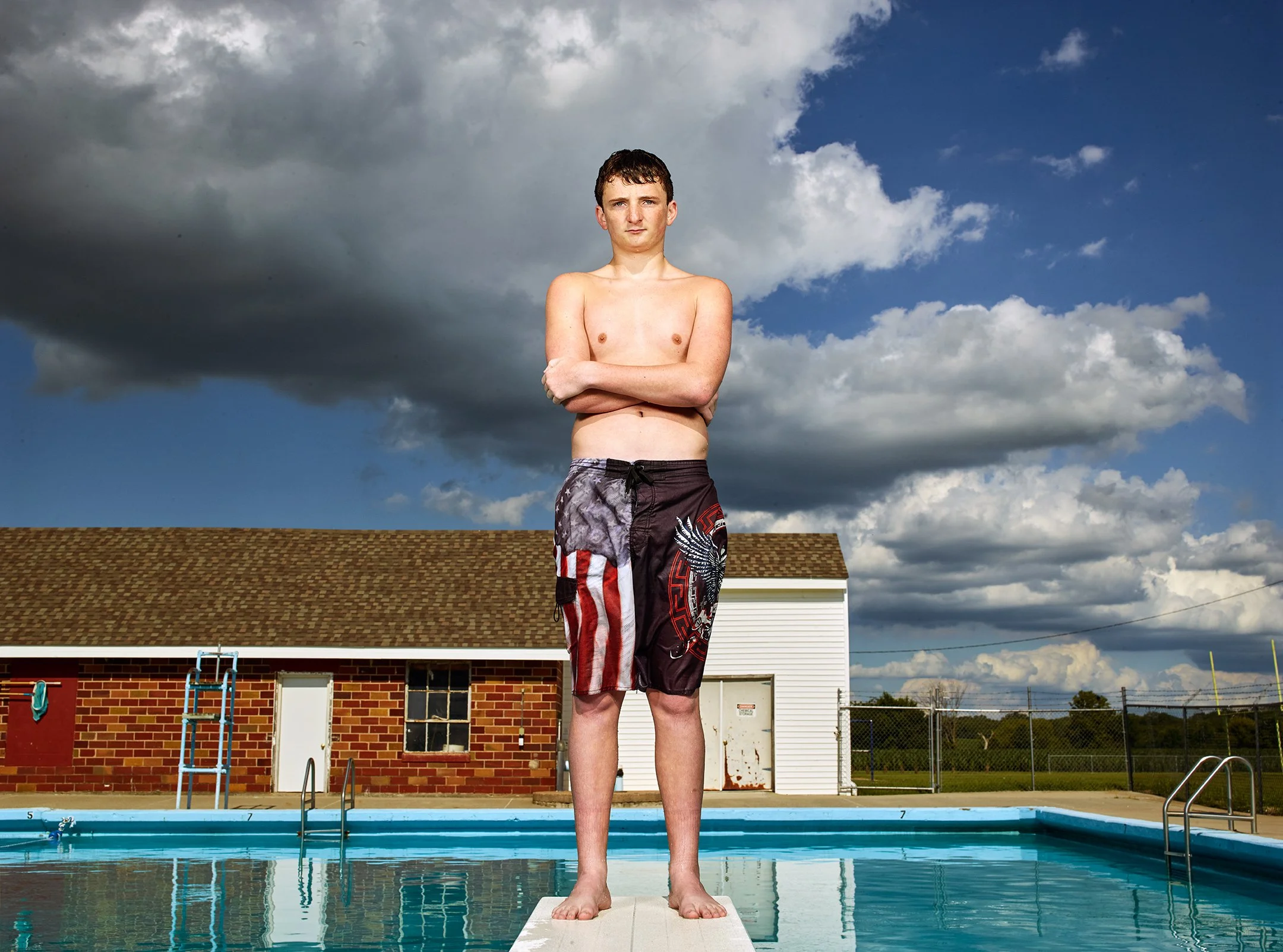
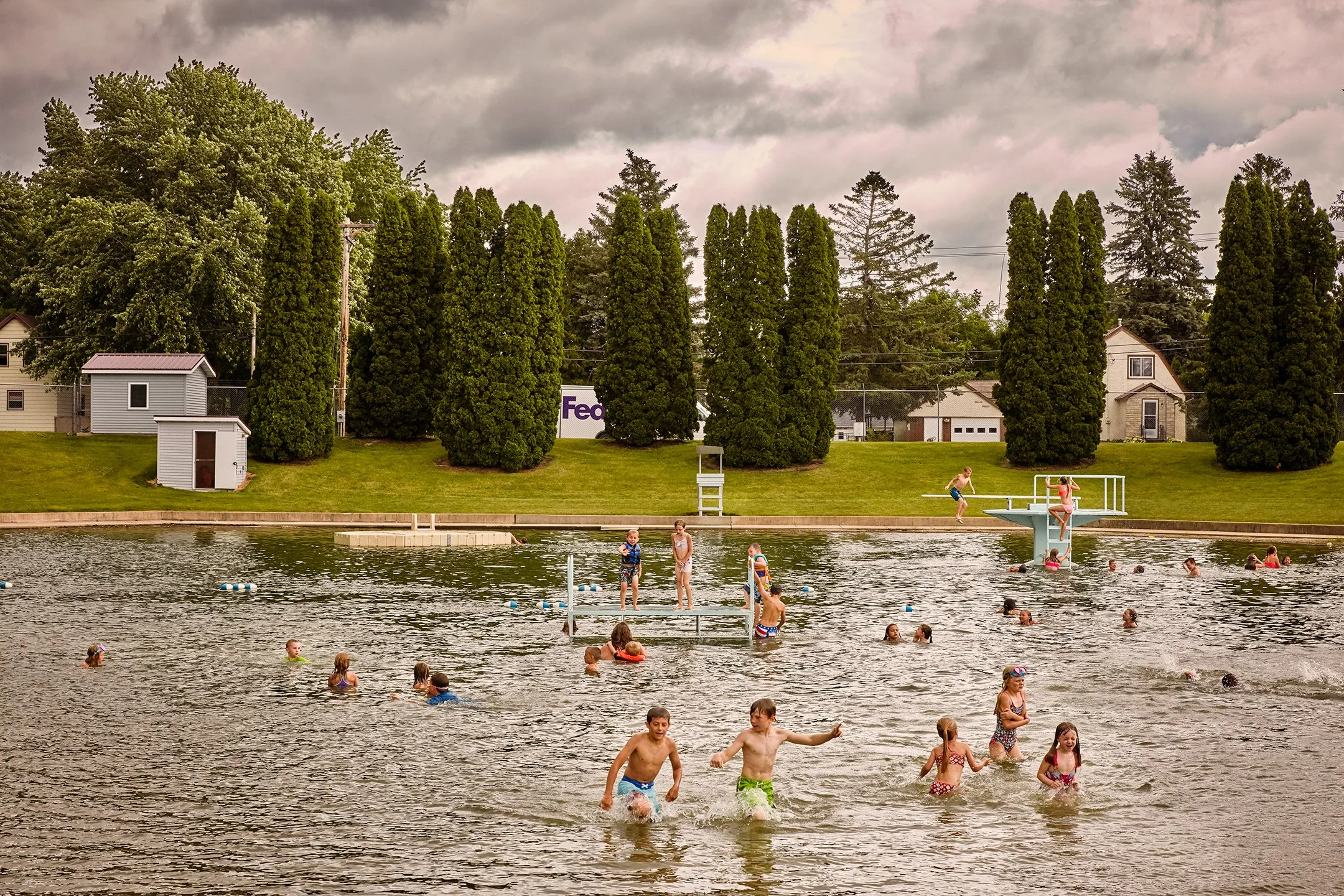
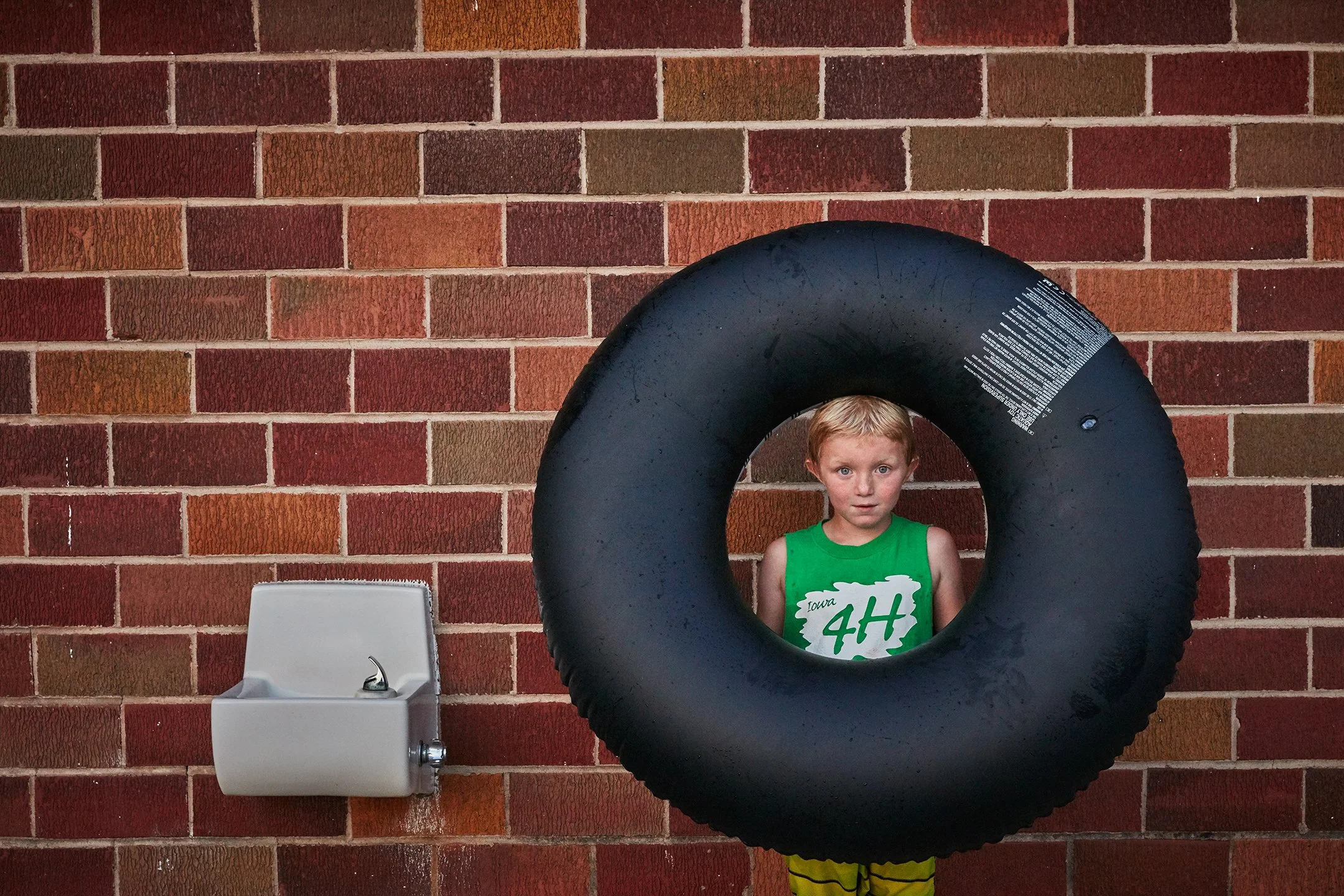
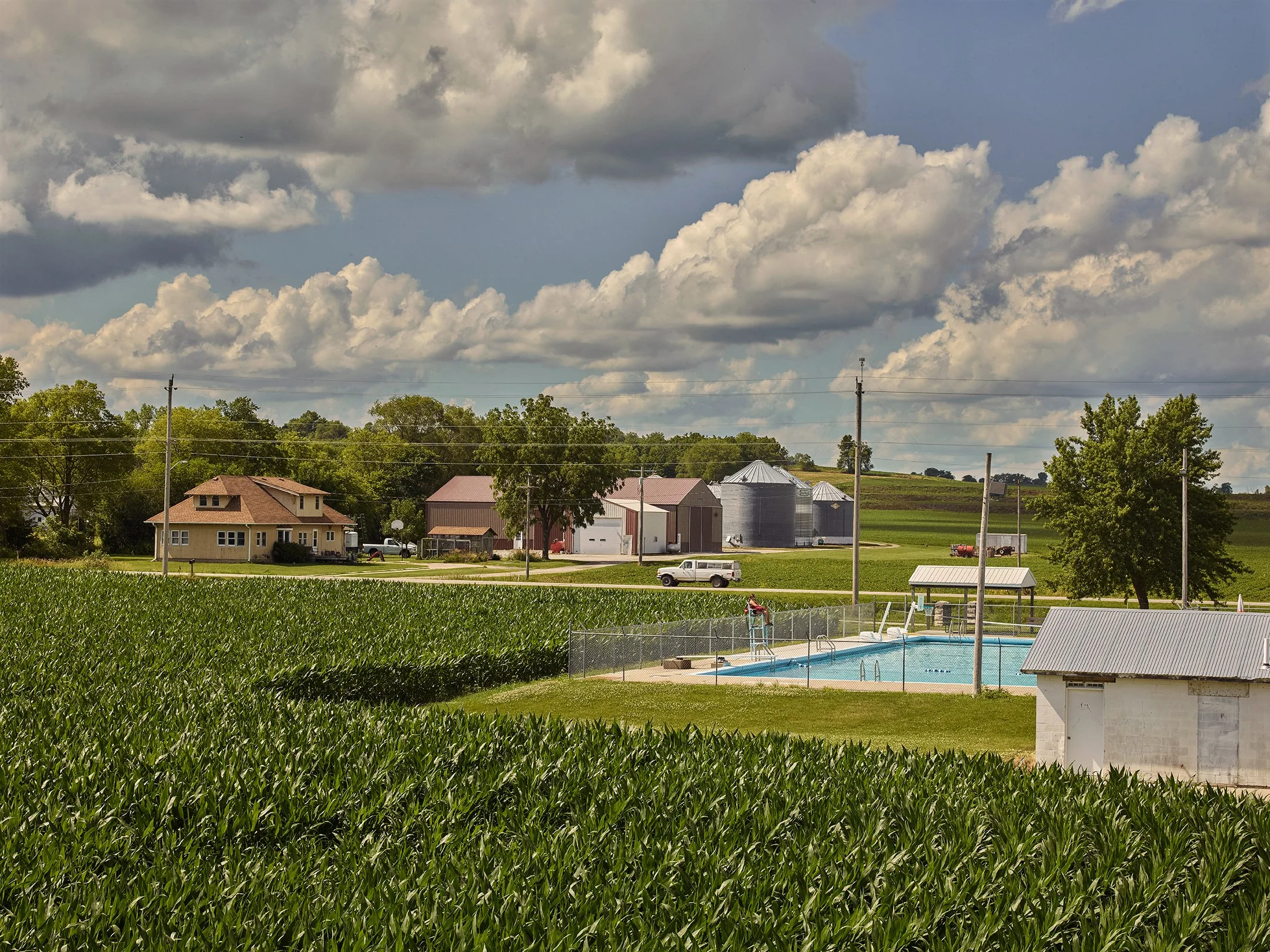
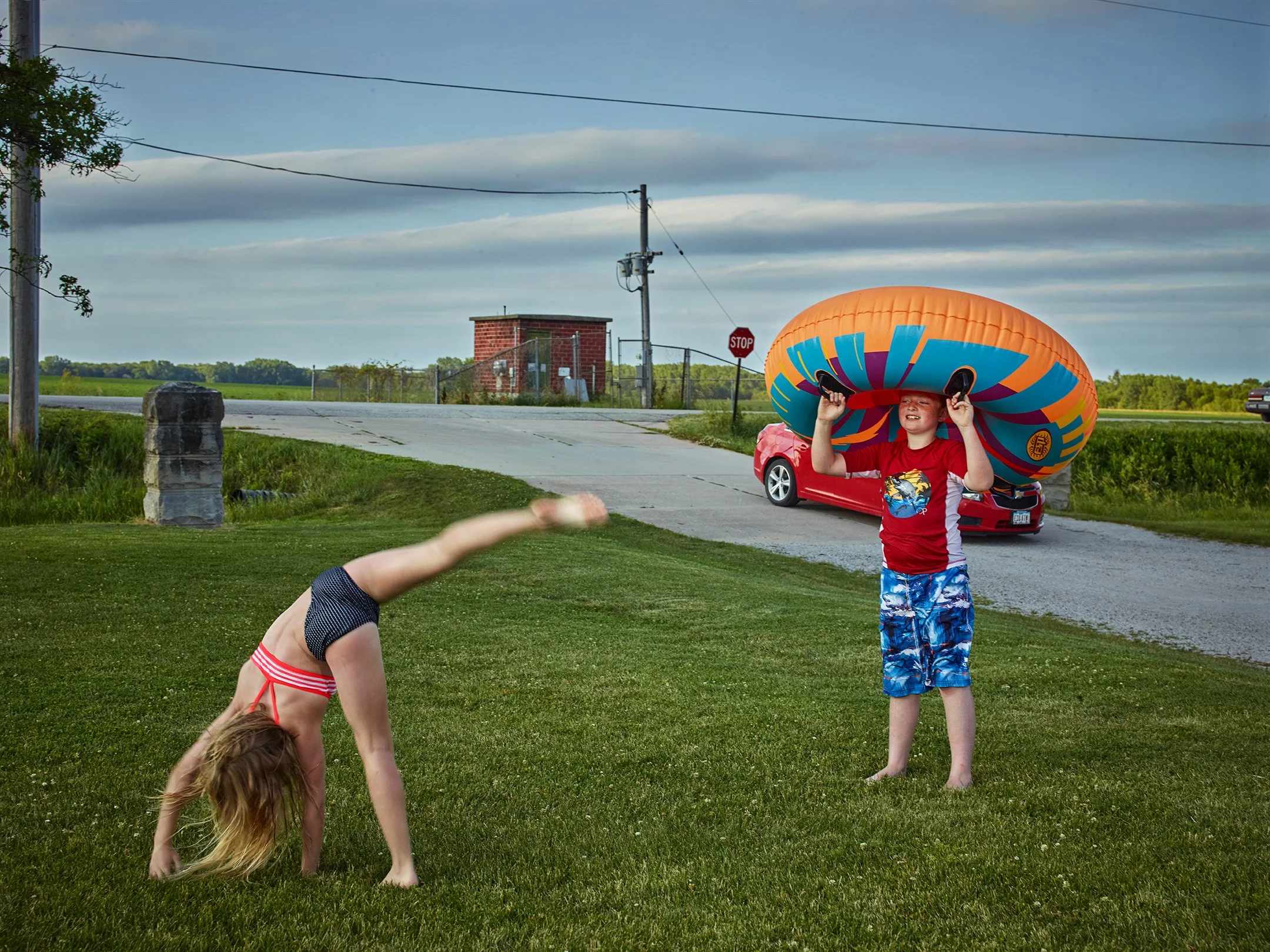
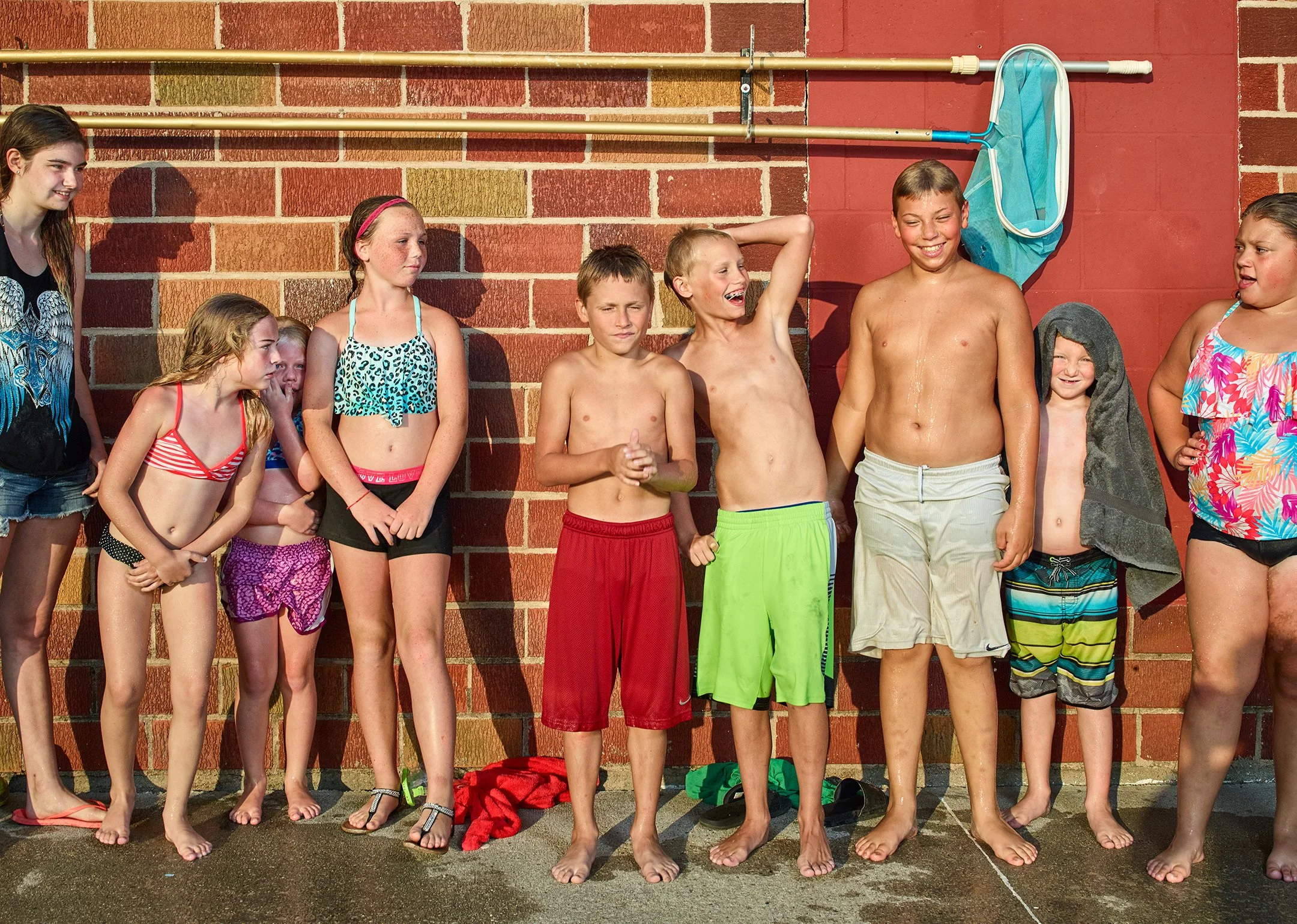
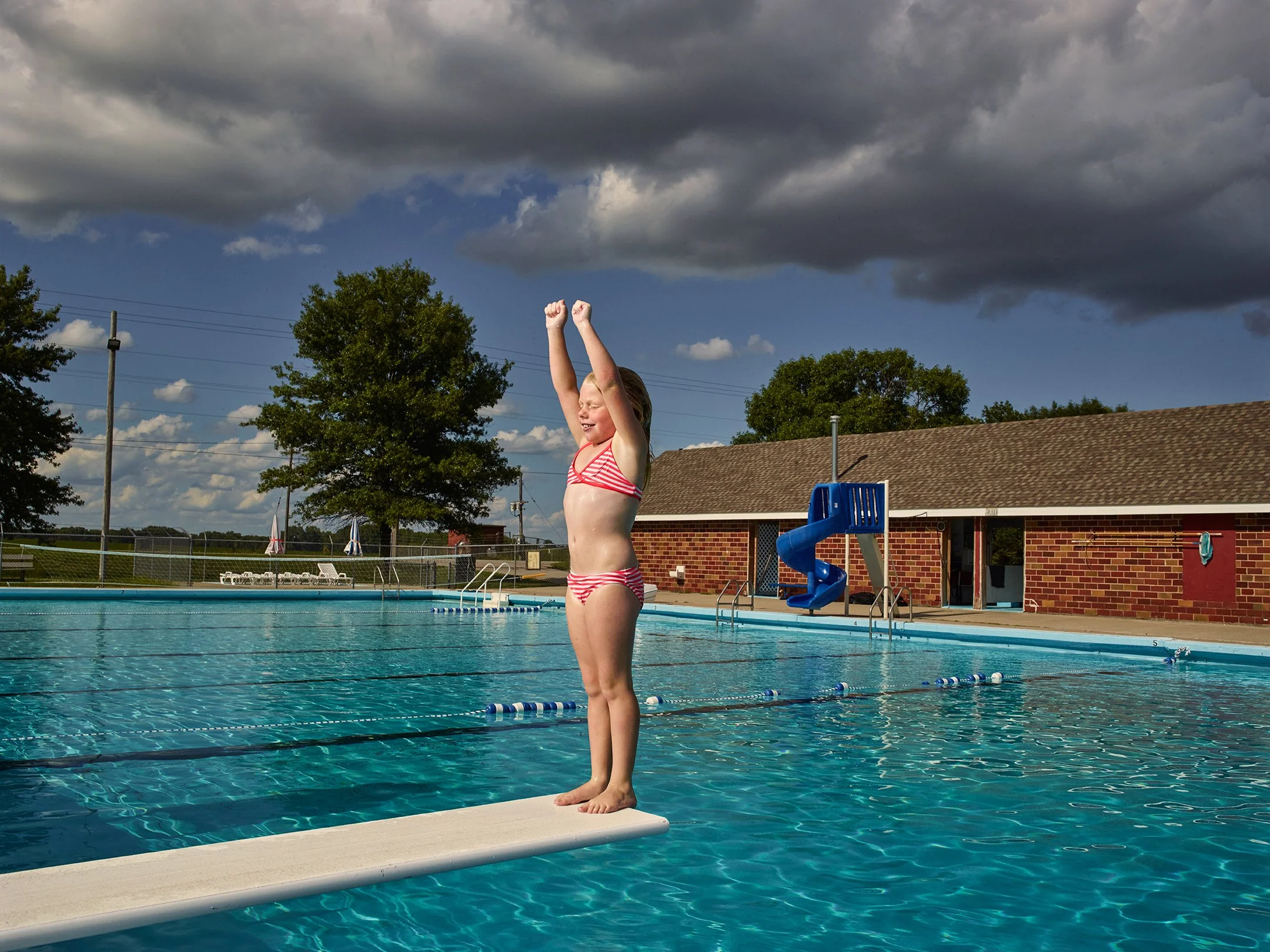
For many of us looking back on our childhoods, the pool is summer’s essence, setting the rhythm of days till school starts again. Visiting Villisca, Iowa’s public pool brought back memories of these summer rhythms. Cradled in a storybook cornfield, the pool was outside the reach of the world beyond, a distance not only of miles, but of time. With its “build it and they will come” vibe, Villisca was as white as Mayberry. A drive down the main drag past its shuttered shops, and it was clear though that Villisca, like a lot of small towns in America, was in jeopardy of drying up. The life of its community was its pool.
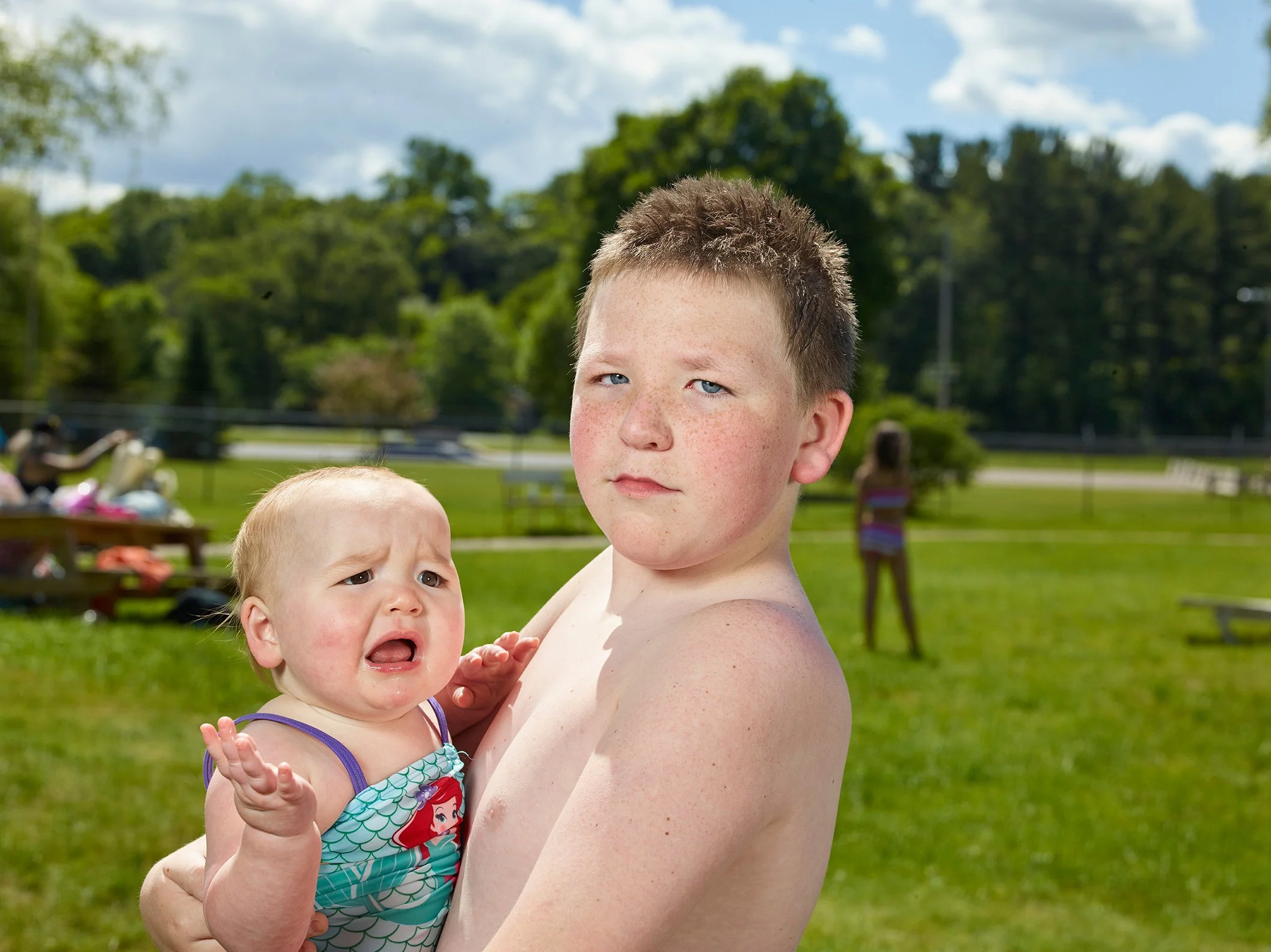
Producing this body of photographs has convinced me that public pools, whether in small towns or inner cities, sustain communities and help keep the ties that bind from unraveling.